Listen to this article
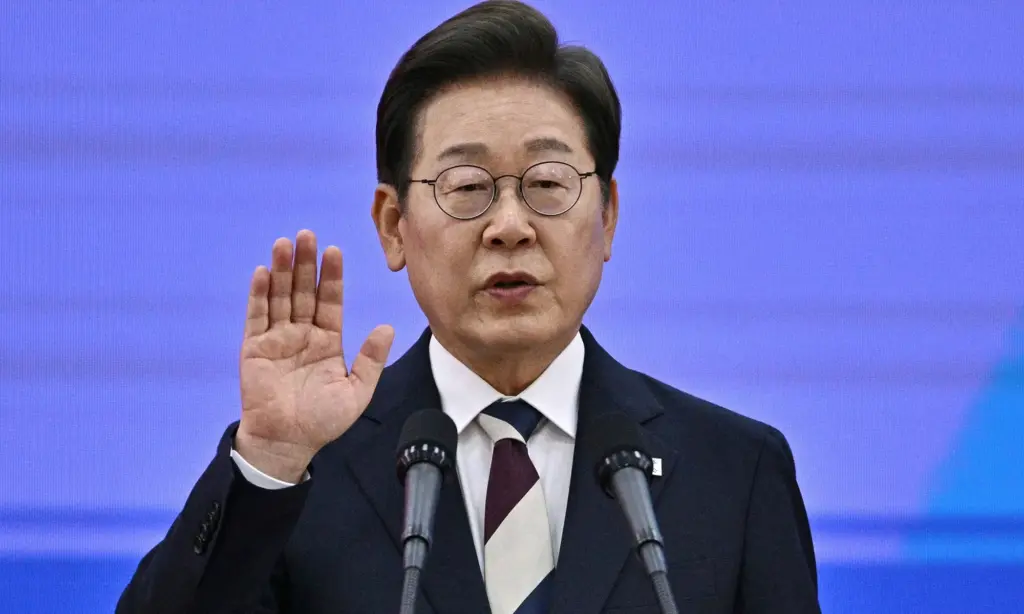
The upcoming Lee Jae Myung China Summit marks a pivotal moment for South Korea China relations as President Lee aims to mend the strained ties with Beijing, the country’s largest trading partner. Scheduled to meet with Chinese leader Xi Jinping, the summit will address crucial topics, including regional security concerns and the ongoing impact of China’s unofficial ban on Korean pop culture. This meeting is particularly significant given the backdrop of heightened tensions between Japan and China over Taiwan, placing South Korea in a delicate diplomatic position. As Lee engages in dialogue regarding the North Korea nuclear program, he seeks to ensure that China does not exploit its economic influence against Seoul. Overall, this summit is more than just a diplomatic encounter; it represents a new chapter in fostering collaboration and stability in Northeast Asia.
The Lee Jae Myung visit to China symbolizes an important step towards revitalizing diplomatic relations between South Korea and its neighbor. During this significant summit, President Lee will engage in discussions with Xi Jinping and other Chinese officials, focusing on enhancing bilateral ties, addressing security issues, and confronting the complicated dynamics surrounding North Korea’s missile advancements. With the cultural exchange between the two nations under scrutiny, the resolution of barriers impacting Korean pop culture will also be on the agenda. This crucial meeting underscores the importance of balanced foreign policy in a region fraught with historical tensions and current geopolitical challenges. As such, Lee’s engagement with China is expected to pave the way for a more harmonious future.
Lee Jae Myung and the China Summit: A New Era in South Korea-China Relations
The upcoming summit between South Korea’s President Lee Jae Myung and China’s leader Xi Jinping marks a pivotal moment in the trajectory of South Korea-China relations. This meeting comes at a time when both nations are seeking to mend ties that have waned in recent years. Experts predict that this summit will not only address pressing economic concerns, such as trade and investment, but also touch upon security issues that affect the entire region, including North Korea’s nuclear ambitions. Lee’s arrival in Beijing aims to signal a renewed commitment to open dialogue and resolve existing differences, especially after the diplomatic strains experienced under previous leadership.
As Lee Jae Myung attempts to reset the diplomatic landscape, the focus will also be on addressing Beijing’s unofficial restrictions on Korean pop culture. The vibrant exchange of entertainment is a critical aspect of cultural diplomacy, and lifting these restrictions could enhance mutual understanding between the two nations. Moreover, the summit’s discussions around North Korea signal Lee’s intention to seek China’s cooperative stance in encouraging denuclearization while navigating the treacherous waters created by Pyongyang’s ongoing missile tests.
Strengthening Economic Ties Amidst Growing Political Tensions
South Korea and China share a significant economic relationship, being each other’s largest trading partners. As Lee Jae Myung meets with Xi Jinping, a vital aspect of their discussions will involve reaffirming this partnership amidst escalating geopolitical tensions in the region. With Japan and China embroiled in disputes over territorial claims, Lee is expected to convey Seoul’s support for dialogue and stability in East Asia. His administration believes that a stable economic environment is essential for regional growth and is committed to assuring that economic ties are not weaponized in the face of rising tensions.
In addition to bilateral trade agreements, Lee’s administration is likely to focus on Chinese investments in South Korean technology and infrastructure. Strengthening these economic ties could provide South Korea with the leverage it needs to navigate the stormy political climate while also boosting its economy in the long run. Lee’s call for enhanced economic cooperation is, therefore, both a tactical maneuver and a strategic objective in solidifying South Korea’s position within the complex dynamics of Northeast Asian politics.
Navigating the North Korea Nuclear Challenge: Lee’s Diplomatic Approach with China and the U.S. as Allies Beliefs on Security vs. Synergies Needed to Promote Peace in the Region: Lee Jae Myung’s strategy in dealing with North Korea’s nuclear program requires a balanced approach that involves engaging China—North Korea’s staunch ally—and the United States. During his summit with Xi Jinping, Lee will undoubtedly ask for China’s influence to compel Kim Jong Un towards denuclearization processes and collaborative security efforts. The participation of China in these negotiations is critical, as Beijing maintains significant economic and military leverage over Pyongyang.
Lee’s administration acknowledges that while engaging China is crucial, South Korea must also maintain its alliance with the U.S., which has traditionally provided security guarantees against North Korean threats. Balancing these relations can be challenging, especially with recent North Korean missile tests escalating tensions. Lee has indicated his willingness to explore diplomatic frameworks akin to past agreements, such as the Trump-Kim summits, suggesting a potential openness to freezing North Korea’s nuclear development efforts in exchange for diplomatic engagement. This diplomatic tightrope act is essential for peace in the region.
Korean Pop Culture: A Barrier in Sino-Korean Relations
The relationship between South Korea and China has been complicated by China’s unofficial ban on Korean pop culture, which has limited the availability of K-pop and K-dramas in Chinese media platforms for several years. Lee Jae Myung’s visit to China aims to address these cultural restrictions that not only affect the Korean entertainment industry but also the soft power dynamics in the region. By advocating for the lifting of such bans, Lee hopes to enhance cultural exchanges and promote mutual appreciation, which are essential for long-term diplomatic relations.
Korean pop culture has gained immense popularity across the globe, and access to this entertainment is crucial for fostering goodwill between South Korea and China. Lee recognizes the economic implications of K-pop and the film industry on bilateral trade; thus, resolving these cultural barriers is high on his agenda. With Lee’s proactive approach to cultural diplomacy, this summit represents an opportunity for both nations to explore how strengthening cultural ties can contribute to broader diplomatic objectives and facilitate reconciliation.
The Diplomatic Tightrope: Balancing Relations with Japan and China
In the complex geopolitics of East Asia, South Korea often finds itself walking a diplomatic tightrope between its relationships with Japan and China. Lee Jae Myung’s administration is focused on re-establishing strong ties with China while also building upon the recent thaw in relations with Japan. The upcoming summit with Xi Jinping will be a litmus test for Lee as he navigates this delicate balance, particularly as the historical grievances affecting Korea-Japan relations are deeply rooted and persist in the public psyche.
As observed by analysts, Lee’s strategy may involve leveraging shared historical contexts to foster cooperation while also promoting a narrative of mutual respect and understanding. This will be essential as both nations face challenges posed by North Korea, as well as economic and political pressures. By engaging in dialogues with both China and Japan, Lee aims to stabilize the region, ensuring that South Korea remains a significant player in East Asian geopolitics.
Assessing Regional Security: The North Korea Missile Threat and Its Implications
The North Korean missile tests and its advancing nuclear program continue to pose significant threats to regional security, and thus will be a major point of discussion during Lee Jae Myung’s meeting with Xi Jinping. The two leaders will likely address the imperative of cooperative strategies to manage the challenges presented by North Korea. With tensions already high following recent ballistic missile launches by Pyongyang, it is vital for South Korea to secure a robust commitment from China, leveraging its influence over North Korea to push for denuclearization.
Lee’s visit represents not only an opportunity to address immediate security challenges but also a long-term vision for stability in the Korean Peninsula. The summit will serve as a platform to reiterate the importance of a multilateral approach that includes both the U.S. and China in discussions regarding North Korea. Effective dialogue and collaboration among the key states concerned are essential to creating a sustainable path toward peace in the region, reducing the risk of military escalation stemming from North Korea’s provocations.
Addressing Maritime Security: China’s Fishing Structures and South Korea’s Concerns
Maritime security remains a contentious issue in South Korea-China relations, with ongoing concerns about China’s construction of fishing structures in contested waters. During the summit in Beijing, President Lee Jae Myung is expected to raise these issues, as they pose both economic and security risks to South Korea. These structures, although claimed by Beijing to be for fish farming, have been viewed with suspicion in Seoul due to their potential military implications and the implications they hold for maritime sovereignty.
By addressing these maritime security issues directly with Xi Jinping, Lee aims to ensure that South Korea’s national security interests are safeguarded while fostering an environment conducive to cooperation in other areas. Strengthening communication on maritime practices could lead to clearer agreements and reduce tensions, making it a priority during their discussions. Ultimately, managing these maritime disputes will be pivotal in fostering a constructive and stabilizing relationship in East Asia.
Future Prospects: Lee Jae Myung’s Vision for South Korea’s Role in East Asia
As President Lee Jae Myung embarks on discussions with Xi Jinping, his vision for South Korea remains rooted in being an active and influential player in East Asia’s dynamics. Lee emphasizes the importance of collaboration between South Korea, China, and Japan to navigate the complex challenges of the region, particularly as political tensions rise. His administration seeks to champion initiatives that promote peace, economic integration, and cultural exchanges which could lead to a more harmonious regional environment.
Looking ahead, Lee views his administration’s role as pivotal in not just re-establishing ties with China, but also in facilitating dialogue that encompasses the entire region, aiming to bring together all nations in a cooperative framework. His commitment to addressing various diplomatic dimensions—including security, economic relations, and cultural engagement—reflects a comprehensive approach to enhance South Korea’s strategic positioning in East Asia while pursuing long-term beneficial relationships with its neighbors.
Frequently Asked Questions
What are the main objectives of the Lee Jae Myung China Summit?
The Lee Jae Myung China Summit aims to reset South Korea and China’s frayed relations, enhance economic cooperation, and address key issues like regional security, North Korea’s nuclear program, and the unofficial ban on Korean pop culture. Lee seeks assurances from China regarding its economic support amid rising tensions in the region.
How might the Lee Jae Myung visit impact South Korea-China relations?
Lee Jae Myung’s visit is significant as it marks the first by a South Korean leader since 2019, aiming to restore normalcy in South Korea-China relations. By addressing contentious issues like the ban on Korean pop culture and seeking cooperation on North Korea, Lee hopes to elevate relations to a new level.
What role does the Xi Jinping meeting play in addressing North Korea’s nuclear program?
During the Lee Jae Myung China Summit, one of the critical topics will be North Korea’s nuclear program. Lee aims to collaborate with Xi Jinping to exert pressure on Kim Jong Un, leveraging China’s influence to encourage North Korea to abandon its nuclear ambitions.
How does the Lee Jae Myung China Summit relate to South Korea’s cultural exchanges with China?
The Lee Jae Myung visit addresses the longstanding issue of China’s unofficial restrictions on Korean pop culture, including K-dramas and K-pop. Lee’s discussions with Xi Jinping will focus on lifting these restrictions to enhance cultural exchanges, which are vital for South Korea’s entertainment industry.
What security concerns will be discussed during Lee Jae Myung’s visit to China?
Security on the Korean Peninsula will be a central topic in the Lee Jae Myung China Summit. Discussions will include the recent North Korean missile tests and the need for a coordinated response to ensure regional stability, reflecting the intricate relationship between South Korea, China, and North Korea.
How does Lee Jae Myung’s China visit fit within the broader context of South Korea’s foreign relations?
Lee’s visit to China is part of a strategic effort to balance relations between South Korea, China, and Japan. It serves as a means to navigate the complexities of regional diplomacy, especially amid tensions between China and Japan, while reaffirming South Korea’s alliances, particularly with the US.
What is the significance of the Lee Jae Myung China Summit for Korean diplomacy?
The Lee Jae Myung China Summit represents a pivotal moment for Korean diplomacy as it seeks to mend ties with China after a period of strain. By addressing both economic and security issues, Lee aims to position South Korea as a crucial player in regional politics while managing relationships with neighboring countries.
What challenges does Lee Jae Myung face in discussions with Xi Jinping?
Lee Jae Myung faces several challenges in his discussions with Xi Jinping, including persuading China to lift restrictions on Korean pop culture, addressing regional security concerns linked to North Korea, and ensuring that economic policies do not become politicized amid rising tensions with Japan.
Will the Lee Jae Myung China Summit impact North Korea’s behavior?
The outcomes of the Lee Jae Myung China Summit may significantly impact North Korea’s behavior, depending on the cooperation Lee secures from China on issues relating to sanctions and diplomatic engagement. Stronger China-South Korea ties could influence North Korea’s decision-making regarding its nuclear program.
How does the meeting address historical issues between South Korea and China?
During the Lee Jae Myung China Summit, historical issues, particularly concerning Japan, may be addressed as Lee plans to hold a memorial service in Shanghai for Korean independence activists. This underscores the shared historical context that influences current South Korea-China relations.
| Key Points | Details |
|---|---|
| Meeting Background | President Lee Jae Myung of South Korea is meeting with Chinese leader Xi Jinping to reset ties. |
| Agenda Topics | Regional security, China’s unofficial ban on Korean pop culture, and North Korea’s nuclear program discussed. |
| Importance of Relationship | Lee seeks assurances regarding economic ties amidst regional tensions. |
| Historical Context | Relations have deteriorated since Lee’s predecessor was critical of China. |
| Significance of the Visit | Lee’s visit is essential as China seeks allies amid regional disputes. |
| Nuclear Concerns | Lee aims to gain China’s cooperation in dealing with North Korea. |
| Cultural Issues | Lee seeks to lift China’s restrictions on K-Pop and K-Dramas. |
| Future Plans | Lee plans to visit Japan to strengthen relations with Tokyo. |
Summary
The Lee Jae Myung China Summit represents a significant effort to mend and enhance the relationship between South Korea and China. This meeting comes at a crucial time as both nations navigate complex diplomatic challenges in the region. By focusing on cooperation regarding North Korea and addressing cultural restrictions, Lee aims to establish a more balanced and amicable partnership. Furthermore, as geopolitical tensions rise, particularly with Japan, the summit emphasizes the importance of regional alliances and diplomacy. Ultimately, the discussions during the summit may pave the way for a more stable and constructive dialogue between South Korea and China.