Listen to this article
Alaa Abd El Fattah UK citizenship has become a contentious topic, following Prime Minister Sir Keir Starmer’s expression of regret regarding his welcome to the country. The British-Egyptian activist, who holds dual nationality, has faced backlash for revealing past social media posts advocating violence, which some have characterized as extremist views. As calls mount for the revocation of his citizenship, questions arise about the government’s oversight in this matter, prompting a review initiated by Starmer himself. This situation raises profound concerns around the responsibility of authorities to properly vet individuals entering the UK, especially when associated with potential national security threats. The unfolding drama surrounding Alaa Abd El Fattah not only highlights these issues but also brings to light broader discussions on activism, freedom of expression, and the responsibilities of government leaders.
The case of Alaa Abd El Fattah has sparked intense debate over the complexities of citizenship and national security in the UK. Known for his activism as a British-Egyptian figure, Abd El Fattah’s recent welcome into the country has drawn public scrutiny after the resurfacing of controversial online statements from his past. Within this context, the revocation of citizenship is being considered by critics, as government officials are now under pressure to reassess the protocols that allowed such a figure to enter the UK unchecked. This ongoing discourse not only addresses the implications of extremist views on public safety but also reflects the overall responsibility of government oversight regarding individuals with complex backgrounds. As the situation evolves, the discourse will likely challenge how citizenship is defined and protected in the modern political landscape.
Keir Starmer’s Regret Over Alaa Abd El Fattah’s Welcome
Sir Keir Starmer has publicly expressed his regret for extending a warm welcome to British-Egyptian activist Alaa Abd El Fattah upon his arrival in the UK. Following the emergence of Abd El Fattah’s previous social media posts that endorsed violence against certain groups, including Zionists, the Prime Minister referred to these remarks as “abhorrent.” In a recent interview, Starmer admitted he was not informed about this troubling aspect of Abd El Fattah’s history prior to his reception in the UK and considered this a major oversight within the governmental decision-making process.
During the Sunday with Laura Kuenssberg program, Starmer stressed the importance of due diligence and accountability within the government, asserting, “I should have been made aware and I wasn’t.” This reflection on his actions highlights the government’s responsibility to ensure thorough background checks on arrivals, particularly those with contentious histories. As public sentiment grows concerned about the implications of welcoming individuals with extremist views, Starmer’s regret raises essential questions about the vetting processes employed by government officials.
Alaa Abd El Fattah and Calls for Revocation of Citizenship
The calls for the revocation of Alaa Abd El Fattah’s UK citizenship have gained momentum among various political factions, including the Conservative Party and several Labour MPs. Critics argue that his social media history, featuring extreme and violent rhetoric, represents a significant threat to British values and public safety. Figures like Shadow Justice Secretary Robert Jenrick have pointed out that Abd El Fattah’s views are incompatible with the principles upon which the UK stands, advocating that such individuals should not enjoy residence rights.
This push for revocation reflects broader concerns about national security and the integrity of British citizenship. With the revocation of citizenship typically reserved for serious offenses linked to terrorism or organized crime, the debate surrounding Abd El Fattah’s case poses unique challenges. It prompts reflection on the balance between protecting freedoms and ensuring public safety, thereby leading to discussions about necessary legal and policy reforms.
Extremist Views and Their Impact on UK Society
The resurfacing of Alaa Abd El Fattah’s past social media posts advocating violence against specific ethnic groups has raised alarms about the implications of allowing individuals with extremist views into the public sphere. Organizations such as the Board of Deputies of British Jews have voiced their deep concerns over the potential risks posed by such rhetoric, which they deem threatening not only to the Jewish community but to society at large. Such sentiments spark critical conversations about how to handle the presence of individuals whose past statements may incite division or conflict within society.
The discourse surrounding Abd El Fattah’s remarks further accentuates the need for robust frameworks that can guide the government’s approach to addressing individuals with extremist backgrounds. It brings to light the necessity for ongoing community dialogue and educational initiatives aimed at promoting understanding while also protecting public interests. By focusing on these efforts, society can work towards mitigating the divisive impact of extremist rhetoric.
Government Review of Alaa Abd El Fattah’s Case
In the wake of the controversy surrounding Alaa Abd El Fattah’s arrival in the UK, Prime Minister Keir Starmer has initiated a comprehensive review to assess what he termed a “failing in the system.” This review aims to scrutinize the processes that led to Abd El Fattah’s entry into the UK without adequate knowledge of his past statements. Starmer’s call for review emphasizes the government’s responsibility in ensuring that individuals entering the UK do not pose a risk to national security.
This move represents not only an acknowledgment of oversight but also a commitment to improve upon existing protocols relating to immigration and citizenship. As the government undertakes this evaluation, it signals its intention to implement more rigorous standards for vetting individuals who may hold extremist views, ultimately aiming to protect the values and safety of the UK population. Such measures are critical to maintaining public trust in government efficacy regarding national security.
The Role of Human Rights Advocacy in Abd El Fattah’s Release
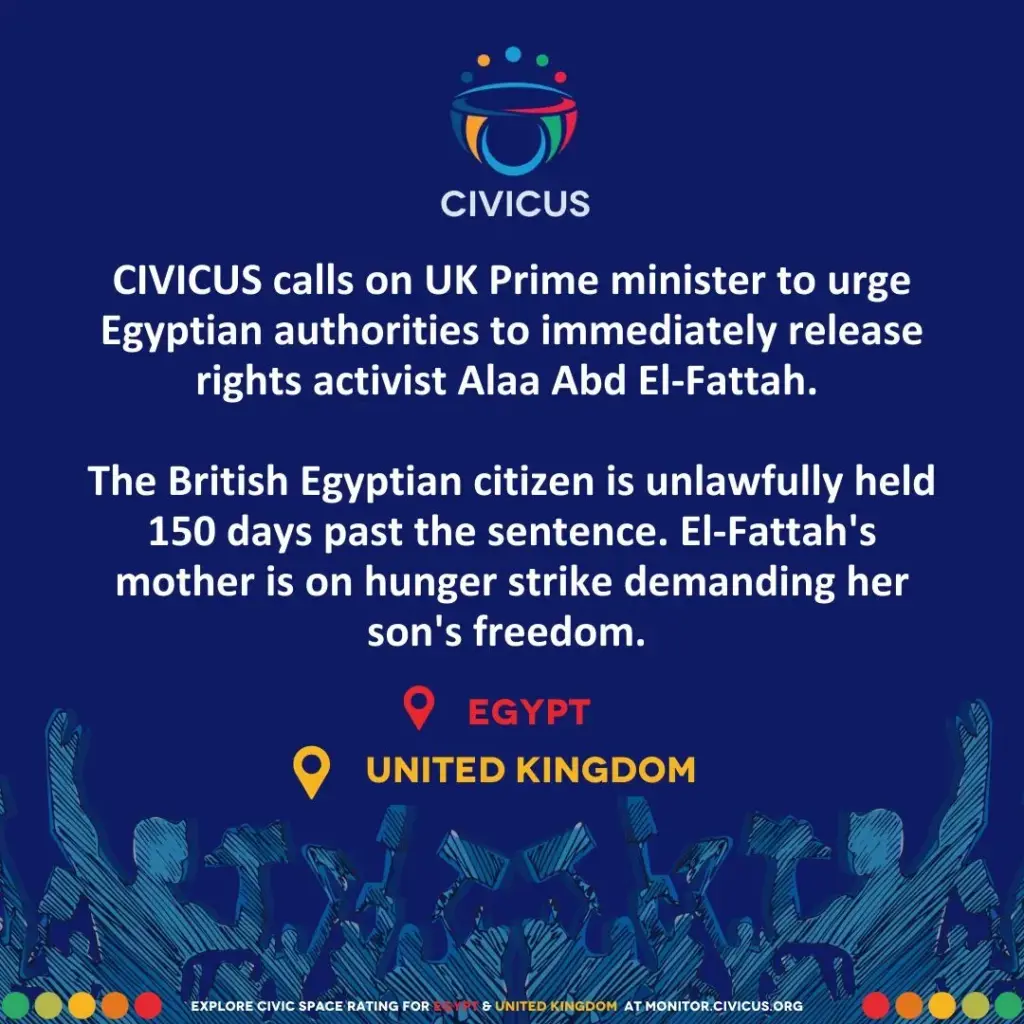
Alaa Abd El Fattah’s release from an Egyptian prison was significantly influenced by a lively advocacy campaign spearheaded by his family and supported by high-profile figures in the entertainment industry, including Judi Dench and Olivia Colman. Their collective efforts not only highlighted the injustices faced by Abd El Fattah but also shed light on broader human rights concerns in Egypt. The role of these advocates illustrates the power of public opinion and activism in bringing about change on a global scale.
However, as Abd El Fattah arrived in the UK, the juxtaposition of his advocacy for human rights alongside his controversial past raised complex questions. It challenges the narrative of human rights activism as inherently virtuous, prompting stakeholders to critically analyze the actions and beliefs of those fighting for freedom. This duality serves as a reminder of the intricate balance between championing human rights and ensuring that individuals’ statements do not undermine the very ethos they advocate.
Public Reaction to Alaa Abd El Fattah’s Welcome
The public’s response to the welcoming of Alaa Abd El Fattah has been one of contention and significant scrutiny. Many people express hesitance at the government’s lack of due diligence concerning an individual whose previous social media activity suggested extremist views. This reaction also underscores a broader cultural anxiety about the implications of accommodating individuals with controversial histories within the UK, influencing public discussions about immigration and radicalization.
The backlash against the government’s reception of Abd El Fattah is emblematic of a growing concern among citizens about the vetting of individuals granted entry into the country. Whether or not individuals believe in second chances, there is an increasing insistence that systemic checks be in place to prevent potentially dangerous ideologies from entering the UK. This public sentiment underscores a need for the government to address not just the reality of immigration but the narratives that accompany it.
The Complexity of Citizenship and National Security
The issues surrounding Alaa Abd El Fattah’s citizenship highlight the complexities inherent in balancing national security with the principles of citizenship. The UK’s approach to citizenship revocation is typically anchored in circumstances tied to terrorism or serious criminal activity, posing a challenge when evaluating cases like Abd El Fattah’s which entwine personal beliefs with public safety concerns. This case has ignited discussions regarding the criteria by which citizenship should be maintained or revoked, particularly in light of differing degrees of severity evident in individuals’ past actions.
As society grapples with these dilemmas, the need for a clear, just, and equitable process becomes paramount. It raises fundamental questions about the values that underpin citizenship and what it means to be a national of the UK. These discussions necessitate a review of current laws, ensuring that policies not only protect citizens’ rights but also consider key aspects of security and moral responsibility.
Alaa Abd El Fattah’s Continued Advocacy and Future,
Despite the controversy surrounding his past, Alaa Abd El Fattah’s presence in the UK has invigorated discussions about activism and the responsibility that comes with it. His journey as a British-Egyptian activist reflects the ongoing struggles faced by many regarding freedom of speech and human rights. Moving forward, Abd El Fattah will likely continue to navigate the public sphere as he advocates for the very values tied to his activism while contending with the scrutiny over his historical beliefs.
The future of Alaa Abd El Fattah in Britain suggests an intricate dance between his past actions and present advocacy. His ongoing ability to engage meaningfully with others may depend on his capacity to acknowledge and learn from the criticisms levied against him, fostering dialogue that might bridge these divides. Ultimately, his case serves as a crucial touchpoint in the ongoing struggle for human rights both in the UK and globally.
Legislative Implications of Alaa Abd El Fattah’s Case
The ongoing discussions surrounding Alaa Abd El Fattah’s case have broader legislative implications for how the UK approaches citizenship and immigration policies. As debates continue over the appropriateness of revoking citizenship based on social media activity and political opinions, lawmakers are faced with the challenge of creating frameworks that protect national interests without infringing on personal freedoms. The varying viewpoints on how to handle Abd El Fattah’s situation could influence how future cases are processed and understood within the legal landscape.
The handling of this case by legislators may lead to new proposals aimed at tightening immigration laws, particularly concerning individuals with documented extremist views. This potential shift raises critical questions about civil rights and the implications of such measures on broader community dynamics. Therefore, as the discourse evolves, it becomes essential to strike a balance that considers both the rights of individuals and the safety of the public.
Frequently Asked Questions
What is the current status of Alaa Abd El Fattah’s UK citizenship after recent controversies?
Alaa Abd El Fattah currently retains his UK citizenship, which he was granted in December 2021 through his mother. However, following the resurfacing of his controversial social media posts advocating violence, calls for the revocation of his citizenship by various political figures have intensified.
Why has Sir Keir Starmer expressed regret over Alaa Abd El Fattah’s welcome to the UK?
Sir Keir Starmer expressed regret for welcoming Alaa Abd El Fattah to the UK due to discovering his past social media posts which included statements advocating violence. He referred to these posts as ‘abhorrent’ and acknowledged that he should have been informed about them prior to Abd El Fattah’s arrival.
What prompted calls for the revocation of Alaa Abd El Fattah’s UK citizenship?
Calls for the revocation of Alaa Abd El Fattah’s UK citizenship were prompted by old social media posts that revealed his ‘extremist views’ and statements endorsing violence against specific groups. Political leaders, including those from the Conservative Party and Reform UK, have cited these posts as grounds for potential citizenship revocation.
How did the British government respond to the concerns regarding Alaa Abd El Fattah’s extremist views?
The British government, led by Prime Minister Sir Keir Starmer, has initiated a review concerning the circumstances surrounding Alaa Abd El Fattah’s arrival in the UK after his release from Egyptian prison. Starmer acknowledged a ‘failing in the system’ for not checking his background adequately before allowing him into the country.
What are the implications of Alaa Abd El Fattah’s case on UK citizenship laws?
Alaa Abd El Fattah’s case has raised significant questions regarding the UK’s citizenship laws, particularly the criteria for revocation. The case has highlighted the complexities surrounding citizenship granted for humanitarian reasons versus the potential for unsavory past behavior, leading to discussions among lawmakers about potential reforms.
What has Alaa Abd El Fattah said regarding his past social media posts?
Alaa Abd El Fattah has ‘unequivocally’ apologized for his past social media posts, claiming they were expressions of a young man’s anger and do not reflect his current views. However, his apology has been met with skepticism, especially as he continued to like posts that framed his situation as part of a smear campaign.
What actions are being considered regarding Alaa Abd El Fattah’s UK citizenship in light of his past statements?
Political leaders, particularly from the Conservative and Reform UK parties, are advocating for the revocation of Alaa Abd El Fattah’s UK citizenship, arguing that his past statements demonstrate extremist views that are incompatible with British values.
How does Alaa Abd El Fattah’s case reflect on the UK’s immigration and citizenship process?
Alaa Abd El Fattah’s case underscores potential lapses in the UK’s immigration and citizenship process, particularly concerning the vetting of individuals granted citizenship. It has sparked debates about the effectiveness of government checks and the responsibilities owed to citizens regarding public safety.
| Key Point | Details |
|---|---|
| Sir Keir Starmer’s Regret | Starmer expressed regret for welcoming Alaa Abd El Fattah to the UK after discovering his old social media posts advocating violence. |
| Social Media Controversy | Post from 2012 included statements about killing colonialists and expressed racist views. |
| Political Reactions | Calls for citizenship revocation from Conservative Party, Reform UK, and senior Labour MPs. |
| Government Review | Prime Minister initiated a review to address failures in confirming details of Abd El Fattah’s past. |
| Human Rights Advocacy | Alaa Abd El Fattah was previously supported by various human rights organizations and British celebrities. |
| Historical Context | He has been a notable political prisoner in Egypt, detained unjustly for 12 years. |
| Recent Arrival in the UK | Arrived in the UK on Boxing Day to reunite with his son after release from Egyptian prison. |
| Responses from Jewish Community | Concerns from the Board of Deputies of British Jews about Abd El Fattah’s past rhetoric. |
Summary
Alaa Abd El Fattah UK citizenship has become a topic of significant scrutiny following his welcoming to the UK by Prime Minister Sir Keir Starmer. Despite previous efforts to advocate for his release from Egypt, Starmer’s revelation of Abd El Fattah’s controversial social media history has prompted widespread political backlash. Calls for the revocation of his UK citizenship highlight the tension between human rights advocacy and national security concerns. As discussions evolve around the implications of his past statements, the case appears to have created a polarized debate about citizenship, accountability, and the responsibilities of government officials.