
Listen to this article
Technology in sports has become a game-changer, fundamentally transforming how athletes train, compete, and interact with fans. Innovations like wearable technology, data analytics in sports, and fan engagement technology are reshaping the landscape, enabling athletes to push their limits while providing an immersive experience for their fans. With tools like real-time health monitors and advanced analytics, teams can track performance and adjust strategies seamlessly. From eSports capturing the attention of millions to virtual training enhancing preparation for athletes, the impact of technology is undeniable. As we move forward, it is clear that technology will continue to be at the heart of sports, driving improvements in performance, engagement, and fan experiences.
The integration of modern innovations into athletics has redefined all facets of sports, from athlete performance enhancement to fan interaction methods. Various forms of sports technology, such as fitness trackers and game analysis tools, provide valuable insights that help athletes optimize their training regimens. Furthermore, the rising popularity of competitive gaming or eSports has blurred the lines between traditional and digital sports, creating new opportunities for fans and players alike. Moreover, engagement technologies like augmented reality are altering how fans experience live events, making them feel closer to the action than ever before. As these advancements continue to evolve, they promise to shape the future of how we understand and participate in sports.
The Impact of Wearable Technology on Athletes
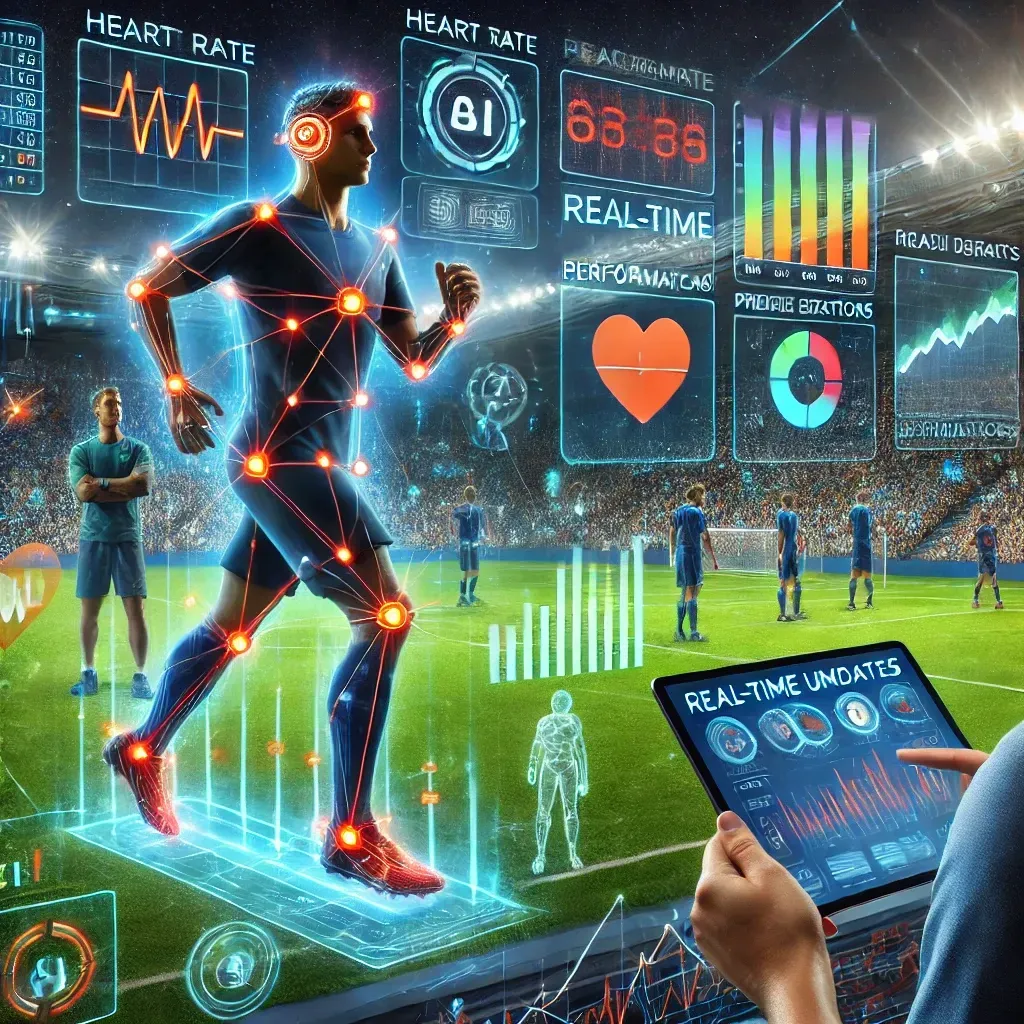
Wearable technology has transcended conventional training methods, offering athletes valuable insights through real-time data monitoring. Devices such as smartwatches and fitness trackers provide metrics that track things like heart rate, speed, and distance during workouts. This technology enables coaches and sports staff to assess athlete performance meticulously, identifying areas for improvement. By leveraging this data, training regimens can be personalized for each athlete, allowing them to optimize their performance while minimizing injury risks. For instance, the application of heart rate variability data can inform athletes when they need recovery time, ensuring they remain at peak physical condition throughout the season.
Moreover, wearable technology facilitates a comprehensive approach to athlete health management. Sports teams utilize advanced sensors to record and analyze physiological parameters, thereby enhancing medical support. These wearables can detect signs of fatigue and stress, prompting timely interventions from medical teams. This proactive approach to athlete monitoring can dramatically reduce injury rates and extend athletes’ careers. For example, in fields like football and basketball, real-time assessments provided by wearables can lead to strategic decisions regarding playtime, ensuring that high-performing players are utilized effectively while preserving their health.
Data Analytics: Transforming Game Strategies
In the era of information, data analytics has emerged as a cornerstone of modern sports management. Teams now harness vast datasets, collecting everything from player statistics to historical game footage. This comprehensive data analysis gives coaches and management teams a strategic advantage, as it opens the door to nuanced understanding of gameplay mechanics. For instance, advanced analytics tools are now regularly employed in professional leagues such as the NFL, where teams decode play parameters to predict outcomes and optimize their strategies accordingly.
One of the significant advantages of data analytics is its ability to enhance training efficiency and game performance. When teams analyze performance data, they can identify trends and patterns that inform future tactics. For example, if a player consistently performs better against a specific type of defense, that insight can shape game plans. This analytical approach not only benefits players in terms of performance and efficiency but can lead to improved outcomes in tightly contested matches, as strategies are continuously refined and adapted based on rich data insights.
Elevating Fan Engagement with Digital Innovations
Fan engagement technology has undergone revolutionary changes, enabling sports organizations to cultivate a more intimate relationship with their supporters. Innovations in social media, mobile applications, and interactive platforms have transformed traditional viewing experiences into dynamic interaction hubs. Through in-game content, exclusive behind-the-scenes footage, and live updates, fans are now more connected to their teams than ever. For instance, many sports franchises use targeted social media campaigns to engage with fans, offering them a glimpse into player lifestyles and team events.
Additionally, emerging technologies such as augmented reality and virtual reality are enhancing the way fans experience sports. Fans can now enjoy immersive experiences that replicate the excitement of attending a live game from the comfort of their homes. For example, using VR headsets, viewers can place themselves virtually in the stadium, enjoying first-hand views of the action as if they were physically present. This level of engagement not only deepens fans’ connection to the sport but can also significantly impact ticket sales and merchandise revenue as fans become more invested in their teams and players.
The Rise of eSports: Changing the Sports Landscape
The emergence of eSports represents a paradigm shift within the sports landscape, characterized by competitive video gaming becoming a legitimate sporting domain. This evolution has birthed robust leagues and tournaments, attracting millions of fans globally and creating vast opportunities for sponsorship and monetization. Games like ‘Fortnite’ and ‘League of Legends’ now command audiences comparable to traditional sports events, illustrating the cultural shift towards digital entertainment. The competitive nature of eSports allows for skill development akin to traditional sports, further legitimizing its status within the broader sports ecosystem.
Moreover, traditional sports organizations are increasingly investing in eSports, recognizing the potential to engage with younger audiences and diversify their offerings. By creating eSports franchises or hosting events, organizations can tap into this burgeoning market. For example, well-known sports franchises like Manchester City have developed eSports divisions, blending conventional sporting culture with the digital realm. This crossover not only helps in capturing the interest of a younger demographic but also fosters an inclusive environment where both digital and traditional sports can coexist and flourish.
Harnessing Virtual Training for Enhanced Performance
Virtual training technologies, including virtual reality simulations, have revolutionized the way athletes prepare for competition. By replicating game scenarios in a controlled environment, these tools help athletes refine their skills without physical strain. For instance, football players can utilize VR to practice plays and responses to different defensive strategies, promoting quicker decision-making under pressure. This technological training aids in improving mental acuity, one of the key components of success in high-stakes environments.
Furthermore, virtual training can expose athletes to challenging situations, allowing them to gain necessary experience in neutral settings before facing real-world competition. Such training enables athletes to visualize their performance and make adjustments proactively. For example, a basketball player might practice their shooting in VR, receiving instant feedback on their form and technique. This continual feedback not only elevates their skill level but also boosts confidence as they enter competitive arenas, ultimately leading to improved on-court execution.
Innovative Broadcast Technologies in Sports
The advancements in broadcast technology have considerably changed how fans consume sports content. High-definition and 4K broadcasts are becoming standard, offering unparalleled picture quality that immerses viewers in the experience. Alongside these improvements, the integration of augmented reality graphics into live broadcasts provides fans with real-time stats and data overlays, enhancing their understanding of the game. For example, during a football game, viewers can see player speed, distance covered, and tactical formations displayed dynamically as the match unfolds, making the viewing experience more engaging.
Moreover, the rise of streaming platforms has redefined accessibility to sports broadcasts. Services like Amazon Prime and Disney+ allow fans to enjoy on-demand content, eliminating traditional scheduling constraints associated with television broadcasts. This adaptability caters to the evolving preferences of sports consumers who favor flexible viewing options over rigid programming schedules. As fans become increasingly accustomed to this convenience, traditional broadcasting methods must adapt or risk losing relevance in a rapidly changing media landscape.
Artificial Intelligence: The Future of Sports Training
Artificial intelligence (AI) is poised to play a monumental role in the evolution of sports training and analytics. By utilizing machine learning algorithms, coaches can gain deep insights into player performance, identifying strengths and weaknesses with pinpoint accuracy. AI can process vast amounts of data more quickly than human analysts, providing teams with critical information that can influence game strategies and training sessions. For example, predictive modeling can help forecast player performance under various conditions, guiding coaches in making more informed decisions about player utilization.
Furthermore, AI-driven systems can facilitate personalized training routines for athletes based on their unique performance metrics. By analyzing data from heart rate monitors and wearable technologies, AI can create tailored programs that adapt to athlete needs in real-time. This level of customization is crucial in optimizing training outcomes, ensuring athletes not only improve but also avoid burnout and injury. As AI continues to evolve, its integration within the sports realm will undoubtedly reshape training methodologies and enhance athletic development.
The Evolution of Fan Engagement in Sports
Fan engagement in sports is undergoing a significant technological transformation as organizations adopt innovative methods to connect with their audiences. With the rise of mobile technology, teams are leveraging apps to offer real-time information, enhancing the overall fan experience. Interactive features in these apps, such as live polls, trivia, and social media integration, foster a participatory culture where fans feel more connected to the action. This engagement is crucial for cultivating brand loyalty and increasing attendance at live events.
Additionally, blending technology with in-person interactions creates a comprehensive fan experience. The integration of augmented reality experiences during games allows fans to access exclusive content or visual effects, enriching their time at the stadium. For example, AR can provide unique views of player stats during halted plays or help fans navigate stadium facilities. As sports organizations continue to innovate in this space, the methods they use to engage with fans will only grow, promising a future where interaction enhances the connection between fans and their beloved sports.
The Future of Technology in Sports: What Lies Ahead
As we look toward the future, the incorporation of advanced technologies, such as AI, machine learning, and biotechnology, represents a new horizon for the sports industry. These innovations will likely continue to enhance athlete performance, training regimens, and overall fan engagement. With ongoing research and development in these areas, we can anticipate breakthroughs that could change how we perceive and participate in sports. For instance, as biologically integrated wearables become more sophisticated, athletes will have access to in-depth health metrics that guide their training and recovery approaches.
Moreover, advances in interactive technologies will further transform fan experiences, making them more immersive and personal. Innovations such as AI-driven analytics will allow fans to visualize data-driven insights in real time, enhancing their understanding of the game. As sports organizations adapt to these technological trends, the integration of next-gen innovations will be key to staying competitive in an increasingly digital-aware market. The synergy between athletes and technology suggests a bright future where sports are not only played but experienced in dynamic, multi-faceted ways.
Frequently Asked Questions
What is the role of wearable technology in sports performance?
Wearable technology has revolutionized sports performance by enabling athletes to track their health metrics and optimize training. Devices like heart rate monitors and GPS trackers provide real-time data on athletes’ performance, allowing coaches to personalize training regimens and reduce injury risks.
How is data analytics changing the landscape of sports strategy?
Data analytics is transforming sports strategy by allowing teams to collect and analyze extensive data from games. This includes player statistics and patterns that help coaches make informed decisions that enhance team performance and game outcomes.
In what ways does fan engagement technology enhance the spectator experience?
Fan engagement technology enhances the spectator experience through social media interactions, augmented reality, and immersive apps that provide real-time updates, stats, and exclusive content, significantly deepening the connection fans have with their teams.
What impact is eSports having on traditional sports?
eSports is significantly impacting traditional sports by attracting a new, younger audience and leading traditional teams to invest in gaming, blurring the lines between physical and digital competition and expanding fan engagement.
How are virtual training technologies being utilized in sports?
Virtual training technologies utilize tools like VR to create simulated game environments for athletes, enhancing their decision-making skills and mental readiness without the risk of injury, thus preparing them for high-pressure situations.
What innovations in broadcast technology are changing how sports are viewed?
Innovations in broadcast technology, such as HD and 4K streaming, advanced camera angles, and real-time stats overlays, are enhancing the viewing experience, making games more engaging and accessible for fans.
How does wearable technology help in injury prevention for athletes?
Wearable technology assists in injury prevention by monitoring athletes’ workload and fatigue levels, allowing coaches to adjust training intensity and prevent overexertion, which can lead to injuries.
What advantages does data analytics provide to sports teams?
Data analytics provides sports teams with competitive advantages by offering insights into player performance, game strategies, and opponent behaviors, informing tactical decisions that can influence game outcomes.
What opportunities does fan engagement technology create for sports organizations?
Fan engagement technology creates opportunities for sports organizations to build stronger relationships with fans through personalized experiences, enhancing loyalty and attracting new audiences through innovative digital interactions.
How is virtual reality being integrated into athlete training programs?
Virtual reality is being integrated into athlete training programs by simulating game scenarios, allowing players to practice decision-making and refine skills in a safe, controlled environment, thus improving their on-field performance.
| Key Points | Description |
|---|---|
| Enhanced Performance Through Wearable Technology | Use of devices like heart rate monitors and GPS trackers to optimize athlete training. |
| Data Analytics: The New Game Plan | Analysis of player stats and game footage to inform strategies and improve decision-making. |
| Improving Fan Engagement Through Technology | Technologies like social media, AR, and VR enhance fan interactions and experiences. |
| The Role of eSports in the Sports Revolution | Growth of competitive gaming as a legitimate sport with fan engagement and sponsorship. |
| Virtual Training and Simulation | Utilization of VR for simulated game scenarios to enhance athlete training. |
| Enhanced Broadcast Technologies | Utilizing HD broadcasts, drones, and streaming services to improve viewing experiences. |
Summary
Technology in sports has dramatically transformed every aspect from training to fan engagement. Athletes are leveraging wearable devices to monitor their performance, while data analytics provides insights that shape team strategies. Fans enjoy immersive experiences through social media, AR, and VR, fostering deeper connections with their teams. Furthermore, eSports has emerged as a significant segment within the sports industry, recognizing the integration of digital and traditional sports. Future advancements promise even more profound changes, making technology an indispensable ally in the evolution of sports.

