
Listen to this article
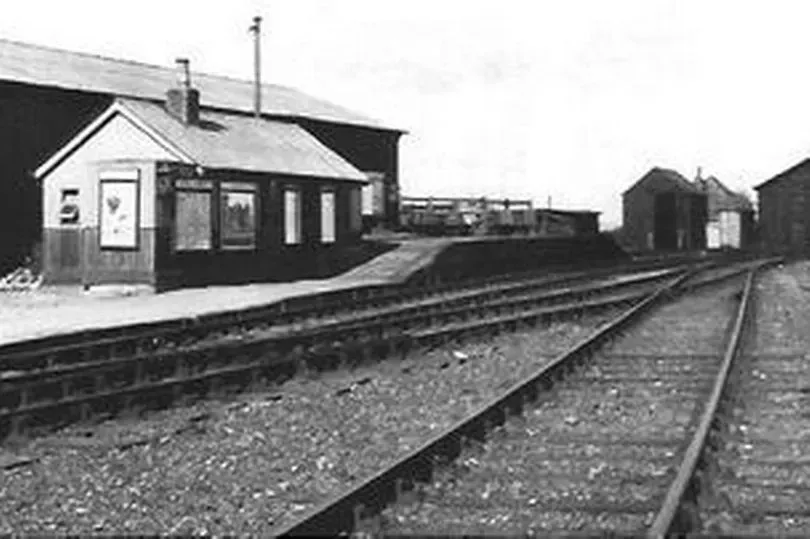
Brill Underground Station is a unique gem nestled in Buckinghamshire, representing a curious chapter in the history of the London Underground. Situated an unexpected 45 miles north of central London, it was a part of the Metropolitan line and briefly connected to the Circle line, creating a fascinating juxtaposition between urban transit and rural landscapes. Despite its picturesque setting, Brill station attracted a mere 3,272 passengers annually, a striking contrast to the bustling nature of most Tube stations. This quaint station exemplified the unpredictability of the Tube, with its improbable location leading to its swift closure in 1935, just two years after its integration into the London Underground network. The story of Brill serves as a reminder of the adventurous spirit of London’s transportation history and the often overlooked corners of its extensive subway system.
Nestled in the heart of Buckinghamshire, Brill Underground Station represents an intriguing segment of London’s transit saga. Known for its association with the Metropolitan line and its proximity to the Circle line, this station stands as a testament to the London Tube’s expansive reach, even into the quiet countryside. Interestingly, Brill station’s passenger numbers were astonishingly low, with figures reflecting a rural stop rather than a busy commuter hub. This remote station’s journey highlights the complexities and eccentricities of the Underground network, showcasing how transportation infrastructure can sometimes miss the mark in terms of demand and utility. As such, Brill serves as a captivating historical point of interest within the broader narrative of the London Underground.
The Unique Character of Brill Underground Station
Brill Underground Station stands out as one of the quirkiest entries in the history of the London Underground. Situated a staggering 45 miles from the bustling City of London, this station was not only remote but bewildering in its existence. Part of the Metropolitan line, Brill’s location was primarily grounded in the land owned by the Duke of Buckingham, making its operational history perplexing. Unlike the majority of Tube stations that are typically busy hubs of activity due to their proximity to major urban centers, Brill’s passenger numbers reflected its isolated nature—averaging just about 3,272 passengers annually.
The remote status of Brill Underground Station presents a unique anomaly within the broader narrative of the London Underground’s expansion. In the early 1930s, passenger usage was modestly low, generating a mere £191 in revenue, which markedly contrasts with the thriving traffic witnessed at stations situated along more prominent routes like the Circle line. This disparity not only highlights the peculiar placement of Brill but also raises questions about the strategic decisions made during the nationalization of the Tube system by the London Passenger Transport Board in 1933.
Historical Context of the London Underground
Understanding the history of the London Underground involves examining numerous facets, including the factors that led to the inclusion of stations like Brill. The London Underground, often called ‘The Tube’, has roots that date back to the mid-19th century and has continuously evolved as a crucial transport system in London and beyond. The expansion in the early 20th century was driven by urbanization and the need to connect suburban areas to central London. However, the case of Brill highlights a unique intersection of ambition and impracticality in the Tube’s growth.
The inclusion of Brill as part of the Metropolitan line gets further complicated when placed against the backdrop of nationalization during the 1930s. As local economies changed and travel patterns shifted, many infrastructure decisions were influenced by perceived future growth potential. Despite being a part of this historic network, Brill’s fate was a reflection of the broader miscalculations regarding transport needs in rural areas, culminating in its closure in 1935, just two years post operational integration into the London Underground.
Impact of the London Passenger Transport Board
The establishment of the London Passenger Transport Board (LPTB) in the early 1930s marked a turning point in the administration of London’s transport system. The goal was to unify and streamline services across various lines, including the Circle line and the Metropolitan line, into a more efficient and cohesive public transport offering. However, the LPTB’s grip on economic viability led to contentious decisions regarding the continuation or closure of certain stations. Brill Underground Station is a classic example where the board’s focus on profitability overshadowed the historical and cultural significance that some stops represented.
In the case of Brill, the LPTB quickly recognized that the station’s limited passenger traffic did not warrant ongoing operational costs and therefore prioritized other lines with promising economic forecasts. This decision not only resulted in the dismantling of Brill but also served as a reminder of the precarious balance between economics and transportation needs in London. As the LPTB continued to reshape the London Underground, they faced the challenge of merging tradition with modern necessity, a task that is still pertinent for transport boards today.
The Closure of Brill Underground Station
The closure of Brill Underground Station in 1935 was significant in the ongoing transformation of the London Underground. Its quick demise, occurring just two years after being incorporated into the network, showcases the challenges faced by rural stations within an urban-centered transport system. The decision to shutter Brill was reflective of the changing landscape of transportation needs, where patrons gravitated towards more accessible stations in urban settings, prompting the LPTB to rethink the economic footprint of such isolated stops.
Post-closure, the area where Brill station once thrived has largely returned to its natural state, consisting mainly of open fields. This landscape shift is symbolic of how transport demands have evolved dramatically over the decades. The remnants of such history spur discussions about the implications of station closures on local communities and the importance of adjusting infrastructures to meet the needs of dynamic population centers versus rural areas.
The Legacy of Brill in the London Underground
Though Brill Underground Station is lost to history, its existence and subsequent closure provide valuable insights into the development of the London Underground. As part of the early adventures of expanding the Tube into new territories, Brill served as both a curiosity and a cautionary tale. It illustrates the delicate balance transport authorities must maintain between expanding service lines and ensuring fiscal responsibility.
The legacy of Brill serves to remind us of the complexities of the London Underground’s evolution. Many stations have come and gone, with each telling its story about the shifting demands of travel in and around London. Brill stands out as a notable example of how even the most unique stations have an essential place in the narrative, contributing to our understanding of the history of urban development in the London region.
Experiencing the Modern London Underground
Traveling through the London Underground today presents a vastly different experience compared to the early days of service. With advancements in technology and personal services, navigating the Tube has transformed into a more user-friendly endeavor. The integration of modern monitoring systems helps mitigate delays, while online apps provide real-time updates on tube services. The lessons learned from stations like Brill have informed these developments and the ongoing improvements aimed at meeting the needs of millions of commuters each day.
While Brill Underground Station may no longer welcome passengers, it serves as a historical marker highlighting the evolution of the London Underground. Modern travelers enjoy a network designed with user experience at its core, whereas Brill represents a time when stations were not so seamlessly integrated into the bustling urban fabric of London. This contrast underscores the ongoing commitment of transport authorities to evolve and enhance the London Underground for future generations.
Understanding Buckinghamshire Tube Stations
The inclusion of Buckinghamshire tube stations in the wider London Underground network often incites curiosity and a bit of perplexity. With Brill serving as a prime example, it is essential to recognize that not all stations within the network are positioned in urban environments. Buckinghamshire tube stations like Brill remind us of the diverse geography encapsulated by the Underground, even extending into rural areas and suburban communities. This breadth of reach showcases the ambitious vision that early planners had for a connected London and its surrounding regions.
Despite the challenges faced by these stations in terms of passenger volume and viability, Buckinghamshire tube stations contribute to the historical tapestry of the London Underground. Their stories often reveal significant insights about the transport decisions made throughout history and what they signify about community needs and aspirations, connecting people in ways that sometimes go unnoticed.
Challenges Within the London Underground Network
The challenges faced by the London Underground can be manifold, extending beyond mere logistical issues. Historic stations like Brill exemplify economic viability struggles, while others contend with the pressures of modernizing infrastructure and improving efficiency amidst increasing ridership. Factors such as the unpredictability of delays, strikes, and seasonal demands create a constantly shifting landscape for Tube operations, necessitating continuous adaptation from transport authorities.
Moreover, understanding the history of the London Underground helps to contextualize current challenges. Stations like Brill remind us of the importance of strategic planning and foresight in transportation, as well as the need to balance urban development with the operational realities of rural stations. Each stop, particularly those in unique locations, contributes to the broader challenges faced by the entire network, making it essential to consider how choices made today impact the continuity of service in the future.
Reflections on the Evolution of the Tube
Reflecting on the evolution of the London Underground fosters an appreciation for the intricate balancing act faced by transport authorities throughout the decades. The inception and closure of places like Brill Underground Station serve as markers along the timeline of this transformation. As technology changes and urban landscapes evolve, what was once considered a suitable location may metamorphose into an underutilized station, prompting reflection on future strategies for the Tube.
This ongoing evolution emphasizes the need for transport systems to be as dynamic as the cities they serve. Just as Brill reflected a moment in the story of the London Underground, the future will continue to be shaped by responses to both historical lessons and the demands of modern transport. As policymakers and planners consider the legacy of past decisions, the vision for the future remains critical, creating pathways for improved connectivity that respects history while embracing innovation.
Frequently Asked Questions
What is Brill Underground Station and where is it located?
Brill Underground Station was a Tube station part of the Metropolitan line, located in Buckinghamshire, approximately 45 miles north of the City of London. Despite its remoteness, it became part of the London Underground network after the nationalization of the Metro in 1933.
Why was Brill Underground Station part of the London Underground network?
Brill Underground Station was included in the London Underground network as a result of the nationalization of all major underground lines under the London Passenger Transport Board in 1933, despite its low passenger numbers and remote location.
What was the passenger usage like at Brill Underground Station?
In its operational year of 1932, Brill Underground Station recorded only 3,272 passengers, generating modest fare revenue of £191, which reflected its isolation and lack of demand within the London Underground.
When did Brill Underground Station close and why?
Brill Underground Station closed in 1935, just two years after it joined the London Underground network, due to the London Passenger Transport Board’s assessment that it lacked potential for economic growth.
What happened to Brill Underground Station after its closure?
Following its closure in 1935, the infrastructure of Brill Underground Station was auctioned off in 1936, and today the site is primarily open fields, a stark contrast to its brief history as part of the London Underground.
How does Brill Underground Station relate to the history of the London Underground?
Brill Underground Station serves as an intriguing footnote in the history of the London Underground, illustrating the challenges of integrating remote locations like Buckinghamshire into a system designed for urban transit.
Is Brill Underground Station still operational?
No, Brill Underground Station is not operational. It was closed in 1935 due to low passenger numbers and is now a historical site with no remaining structures from its time as part of the London Underground.
What other lines were impacted by the closure of Brill Underground Station?
The closure of Brill Underground Station in 1935 impacted the Metropolitan line, part of the broader restructuring and nationalization of the London Underground system during that era.
| Key Point | Details |
|---|---|
| Location | Brill Underground Station is located in rural Buckinghamshire, 45 miles north of Central London. |
| Historical Context | Opened as part of the Metropolitan line in 1932, it was an unusual addition to the otherwise urban network. |
| Passenger Traffic | It recorded only 3,272 passengers in its first year, generating £191 in fare revenue. |
| Nationalization | In 1933, the station was nationalized under the London Passenger Transport Board despite low demand. |
| Closure | Brill station was closed in 1935, just two years after becoming part of the Underground. |
| Current Status | The site is now open fields, indicating its return to rural roots. |
Summary
Brill Underground Station serves as a fascinating example of the quirks of the London Underground. Despite its brief existence and remote location, it highlights the complexities of transport history in London. Today, while the station itself may be gone, the legacy of such unique stations continues to intrigue and inform those interested in the city’s transport heritage.