
Listen to this article
The Rise of Esports marks a revolutionary transformation in the gaming landscape, turning what was once a niche hobby into a booming global industry. This surge in popularity encompasses competitive gaming, where professional gamers participate in high-stakes tournaments and leagues, captivating millions of fans worldwide. As esports continue to gain traction, gaming tournaments have become extravagant events, with massive cash prizes and passionate spectators both online and in person. With endorsements from major brands and investments flooding into esports leagues, the competitive gaming arena has solidified its status as a legitimate sporting phenomenon. In this blog post, we will delve into the history and future prospects of esports, exploring how this vibrant community has shaped the perception of gaming in modern society.
As gaming enters a new era, the emergence of esports has captivated audiences and changed the way we view play. This competitive gaming culture has evolved into a thriving ecosystem, with professional gaming becoming a significant aspect of the entertainment industry. Gaming tournaments now attract large crowds, showcasing incredible talent and strategic prowess, akin to traditional sports events. With the formation of structured esports leagues, the competitive gaming scene is more organized than ever, fostering community and collaboration. In this exploration, we will analyze the rise of this innovative domain, shedding light on how it has redefined the concept of competition and brought gaming into mainstream recognition.
The Evolution of Esports: Tracing Its Roots
Esports has its roots deeply embedded in the early days of gaming, particularly from the late 1970s to the early 1980s. During this period, arcade games played a pivotal role in not just entertainment but also in competitive gaming. High-score competitions invited players to challenge each other, which naturally led to tournaments cropping up in local venues. The spirit of competition, fostered in spaces filled with the beeps and boops of classic games, planted the seeds for the esports we know today.
As technology evolved, so did the structure and scope of competitive gaming. The late 90s saw groundbreaking games like “StarCraft” become not just popular but also central to organized tournaments. Players eagerly participated in competitions that were broadcasted, showcasing their skills to wider audiences well beyond local arcades. This early foundation of competitive gaming paved the way for esports to transition from informal contests to highly organized events with significant audiences.
The Surge in Esports Popularity
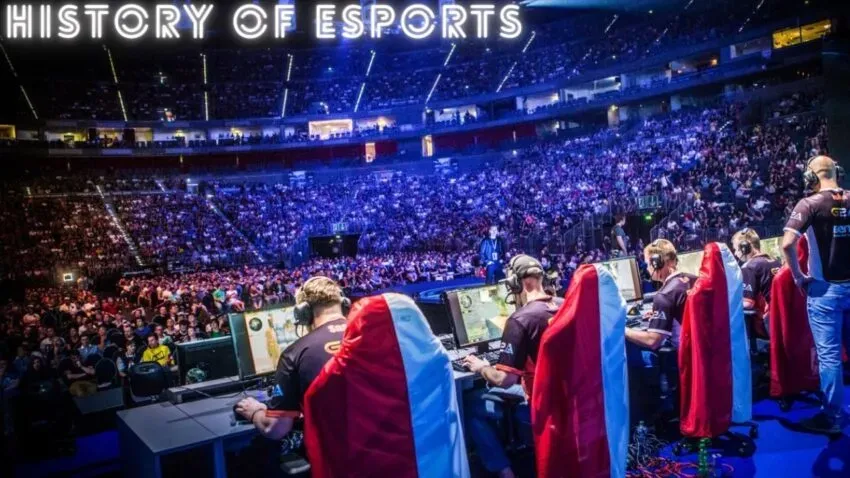
The last decade witnessed an explosive growth in the popularity of esports, elevating it to a level that now rivals traditional sports. Major events, such as The International and the League of Legends World Championship, have captivated millions of fans around the globe, with viewership numbers often eclipsing those of conventional sporting events. This surge translated into substantial investments from both tech companies and traditional sports organizations, which recognize the lucrative potential of esports leagues.
As the consumer interest in esports skyrocketed, streaming platforms like Twitch and YouTube Gaming emerged as the primary channels for broadcasting these events. Consequently, major sponsorship deals from diverse industries flooded into the esports scene, further legitimizing it and driving revenue growth. This convergence of media, investment, and fandom has solidified esports as a significant player in the global entertainment market.
Unique Characteristics of Esports Compared to Traditional Sports
One of the most defining features that set esports apart from traditional sports is its unparalleled accessibility. Players can compete at a high level from virtually anywhere in the world, provided they have an internet connection. This inclusivity allows individuals from diverse backgrounds and locations to participate in competitive scenarios that may have been impossible in physical sports where resources and location play a significant role.
Furthermore, the community aspect of esports fosters an incredibly supportive environment for gamers. Online platforms and forums allow players and fans to connect, share strategies, and build relationships. This sense of camaraderie enhances the competitive atmosphere and creates a unique bonding experience around shared interests in games and teamwork, which further amplifies player engagement and viewer participation.
The Structure of Esports Leagues: A Parallel to Traditional Sports
The evolution of esports has necessitated the establishment of structured leagues and tournaments, mirroring traditional sports frameworks. Titles like “Overwatch” and “Fortnite” have adapted franchising models that promote consistent brand loyalty and fan engagement, akin to the structures seen in the NBA or NFL. As these franchises grow, they lay a solid foundation for future competition, creating a stable environment for both players and organizations.
Such structured leagues not only enhance the legitimacy of esports but also pave the way for successful sponsorship models. With clear schedules, broadcast agreements, and promotional events, esports organizations are now able to attract major brand partnerships, contributing significantly to the financial health of the esports ecosystem. Consequently, this creates a cycle of investment and growth that sustains the industry’s advancement.
Challenges That Esports Must Overcome
Despite the rapid growth of the esports industry, several challenges lurk beneath the surface. Issues surrounding player burnout are particularly concerning, as intense competition can sometimes take a toll on the mental wellbeing of participants. With the emphasis on performance, players often find themselves in high-pressure situations that can lead to stress and fatigue.
Additionally, there remains a stark need for standardized regulations within esports. While some organizations prioritize player welfare, the absence of a cohesive governing body means working conditions and player rights can vary widely. Addressing these issues is critical not just for competition integrity but also for fostering a sustainable ecosystem for gaming professionals.
Future Trends in the Esports Landscape
Looking forward, the future of esports seems rife with possibilities. Technological advancements could usher in an era where augmented reality and virtual reality enhance gaming experiences, thus changing how competitions are conducted. These innovations have the potential to create immersive environments that directly engage players and audiences like never before.
Additionally, as educational institutions begin to recognize esports’ value, more dedicated programs are emerging to nurture talent from young ages. The incorporation of esports in academic settings, including scholarship opportunities, exemplifies a shift towards legitimizing competitive gaming as a career path. Such developments not only expand the player pool but also cultivate a deeper understanding and appreciation of esports within society.
The Role of Sponsorship in Esports Growth
Sponsorship has played a vital role in the growth of esports, akin to its significance in traditional sports. Major brands have begun to recognize the immense potential of engaging with the gaming community, leading to investment in teams, tournaments, and platforms. These sponsorships often translate into increased visibility for brands that resonate with esports fans, creating a win-win scenario for both parties.
With significant dollars flowing into the esports ecosystem, teams and players are afforded enhanced opportunities to train, compete, and develop their brands. Moreover, sponsorships provide the financial backing necessary for tournaments to be held with larger prize pools and better production quality, thus elevating the overall viewing experience for players and fans alike.
The Impact of Streaming Platforms on Esports
Streaming platforms have fundamentally transformed how audiences engage with esports. Services like Twitch and YouTube Gaming provide not just avenues for tournament viewing but foster communities around individual streamers and players. This unique blend of content consumption and interaction elevates streaming beyond just a medium, making it an integral part of the esports experience.
Consequently, as audiences become more invested in their favorite players and teams, the loyalty translates into engagement through subscriptions, donations, and merchandise purchases. The dynamic created through these platforms helps esports thrive by cultivating a loyal fanbase that actively participates in the ecosystem, creating an interconnected world of professional gaming.
How Esports is Reshaping Entertainment Culture
The rise of esports is not merely a trend; it represents a paradigm shift in the entertainment industry. As acceptance of gaming as a form of competition grows, traditional entertainment sectors begin to take note. Major sports networks and media outlets are increasingly covering esports, integrating it alongside traditional sports narratives and events.
This merging of gaming with mainstream culture highlights the importance of esports in engaging younger demographics. As viewers migrate towards platforms that offer unique, engaging content, the trend indicates a shift where esports might soon be viewed not just as an alternative form of entertainment but as a mainstream sporting phenomenon that commands respect and recognition.
Frequently Asked Questions
What factors led to the rise of esports as a competitive gaming phenomenon?
The rise of esports as a competitive gaming phenomenon was influenced by the evolution of gaming from local high-score competitions in arcades in the 1980s to organized tournaments in the 90s, the introduction of online gaming platforms, and massive viewership growth driven by major tournaments like The International and the League of Legends World Championship.
How have esports tournaments changed the landscape of competitive gaming?
Esports tournaments have significantly changed the competitive gaming landscape by establishing formal structures and large-scale events that attract millions of viewers. This growth has led to lucrative sponsorships, increased media rights values, and a rise in dedicated esports leagues, mirroring traditional sports.
What is the impact of streaming platforms on the rise of esports?
Streaming platforms like Twitch and YouTube Gaming have been pivotal in the rise of esports, providing a venue for fans to watch live competitions. These platforms have drawn substantial investments and created a direct connection between players, fans, and teams, leading to increased engagement and growth in the esports community.
How do professional esports leagues contribute to the legitimacy of competitive gaming?
Professional esports leagues, such as those for Overwatch and Call of Duty, contribute to the legitimacy of competitive gaming by adopting franchising models similar to traditional sports, enabling consistent schedules, revenue stability, and brand loyalty that enhance the viewer experience and professional recognition within esports.
What challenges does the esports industry face despite its growth?
Despite its rapid growth, the esports industry faces challenges including player burnout, inconsistent regulations, exploitation of players, and ongoing stigmatization as a mere pastime. Addressing these issues is vital for the sustainability and development of esports as a legitimate sport.
What role does community play in the rise of esports?
Community plays a crucial role in the rise of esports by fostering interaction, support, and collaboration among players and fans. This strong sense of community can enhance the competitive experience, as forums and social media allow for a deeper connection with esports events and personalities.
What future trends can we expect in the esports industry?
Future trends in the esports industry may include advancements in technology such as virtual reality and augmented reality gameplay, the growth of esports programs in schools and universities, and an increase in public acceptance of esports as a legitimate form of entertainment and competition.
How does esports compare to traditional sports in terms of accessibility?
Esports offers greater accessibility compared to traditional sports, as it requires only an internet connection to participate. This democratization allows players from diverse backgrounds to compete at high levels without the need for expensive facilities or equipment, helping to broaden the talent pool.
Why is it important to educate the public about esports?
Educating the public about esports is crucial to overcoming stereotypes and validating competitive gaming as a legitimate sport. Highlighting the skills, teamwork, and dedication required for success in esports can help shift perceptions and foster greater acceptance and support for the industry.
What key factors will shape the future of esports?
The future of esports will be shaped by advancements in technology, the establishment of fair regulations, increased collaborations among stakeholders, and continued public engagement. Addressing current challenges while leveraging opportunities for growth will be essential for the sustainable development of esports.
| Key Aspects | Details |
|---|---|
| Origins of Competitive Gaming | Competitive gaming started in the 1980s with arcade games, leading to tournaments in the late 90s. Internet expansion shifted competitions online. |
| Explosion of Audience | By the 2010s, major esports tournaments attracted millions of viewers, leading to a surge in investment from capitalists and traditional sports industries. |
| Global Accessibility | Esports is accessible anywhere with an internet connection, promoting inclusivity for players from diverse backgrounds. |
| Growth of Professional Leagues | Formal leagues with franchising models have emerged, similar to traditional sports, leading to increased sponsorships and legitimacy. |
| Challenges Facing Esports | Issues like player burnout, lack of regulations, and societal stigmatization challenge the growth and acceptance of esports as a sport. |
| Future of Esports | Technological advancements and recognition in educational institutions point to a bright future for esports, fostering career opportunities. |
Summary
The Rise of Esports signifies a remarkable transformation in how we view competitive gaming, evolving from casual play to a legitimate sport embraced by millions. As esports gain momentum, their origins rooted in arcade gaming have paved the way for spectacular tournaments and a swelling audience. With substantial investments from traditional sports and broadcasting companies, esports have taken their place alongside conventional sports. Despite facing challenges such as player treatment and public perception, the industry is primed for growth. The integration of technology and educational programs indicates a promising future, confirming esports as a significant player in the global sports arena.

