
Listen to this article
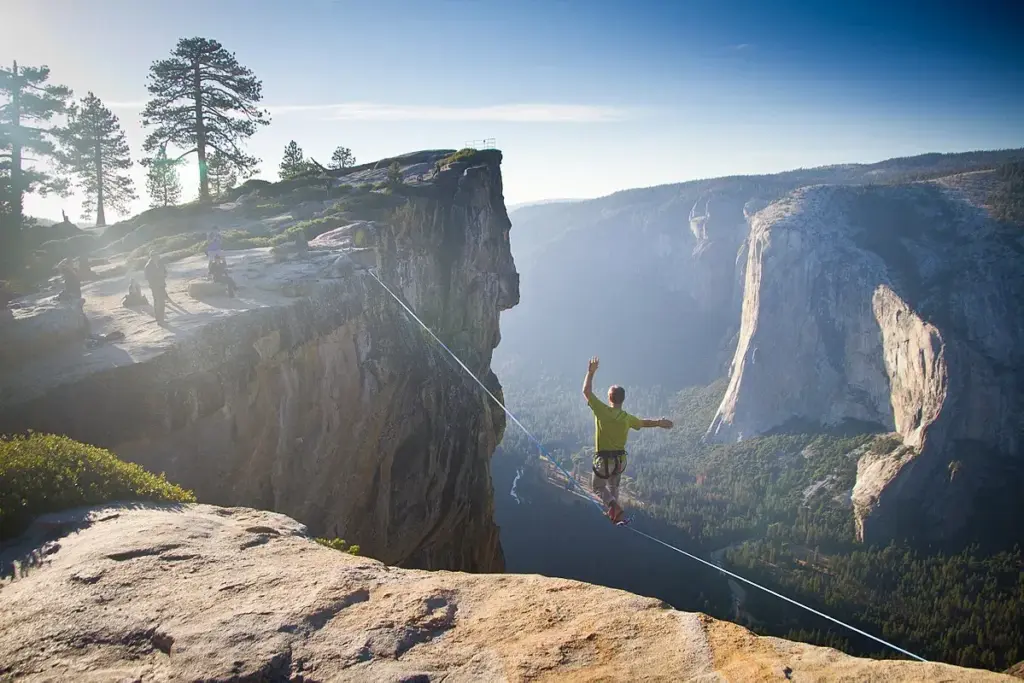
Extreme sports have captured the hearts of thrill-seekers and adventure enthusiasts alike, offering an exhilarating escape from the mundane. These adrenaline sports push participants beyond their limits, challenging both physical capabilities and mental fortitude, whether through rock climbing, skydiving, or surfing daunting waves. The extreme sports community thrives on this intense pursuit, uniting individuals in shared experiences that transform the idea of adventure into something truly extraordinary. As outdoor sports continue to evolve, so do the extreme sports activities that attract a devoted following, with each new thrill promising unmatched excitement. By embracing these daring challenges, many discover not only the adrenaline rush they crave but also a deeper connection with like-minded adventurers and nature itself.
High-octane activities, often referred to as adventure sports, are at the forefront of an exhilarating trend where individuals seek unique thrills and experiences. These intense pursuits, encompassing everything from rock climbing to base jumping, have birthed a vibrant community of adventurers who share a passion for pushing the boundaries of excitement. Participants in these adrenaline-fueled endeavors embrace challenges that not only test their skills but also provide a profound sense of achievement. The allure of engaging in such extreme outdoor sports draws in those seeking adventure and connection, fostering camaraderie among thrill-seekers. As the popularity of these activities grows, the exhilarating world of extreme sports continues to expand, offering endless opportunities for exploration and adventure.
The Essential Gear for Extreme Sports Enthusiasts
When diving into the world of extreme sports, having the right gear is paramount. Whether it’s rock climbing, snowboarding, or surfing, specialized equipment designed to protect athletes while enhancing performance is crucial. For instance, climbers need harnesses, chalk, and helmets for safety, while snowboarders should invest in quality boards, boots, and protective clothing to withstand cold and impact. Choosing appropriate gear not only improves experience but also reduces the risk of injuries, allowing thrill-seekers to push their limits safely.
Additionally, understanding the specific requirements of each sport can help participants make informed decisions about their gear. For example, surfers must consider the type of wave they’ll be riding and select surfboards that match their skill level and the wave conditions. Similarly, mountain bikers must have durable tires and suspension systems tailored for different terrains. By investing in high-quality equipment tailored to their sport, enthusiasts can enjoy the adrenaline rush of extreme sports while ensuring their own safety.
Embracing the Extreme Sports Community
The extreme sports community is a vibrant tapestry of individuals who share a common passion for adventure in the great outdoors. Being part of this community provides not only camaraderie but also a wealth of knowledge and inspiration. Whether it’s through local meet-ups, online forums, or social media groups, thrill-seekers can connect, share experiences, and inspire one another to try new challenges. This sense of belonging fosters motivation and enhances the overall experience of participating in extreme sports.
Moreover, the community aspect of extreme sports often leads to collaborative events such as competitions, workshops, and group outings. Engaging with others who are equally passionate can help individuals progress more quickly, as they learn from each other’s successes and mistakes. This support network not only enhances skill development but also contributes to the safety and enjoyment of the sport, as participants encourage each other to adhere to best practices and prioritize safety.
Training Tips for Aspiring Extreme Sports Participants
For those looking to dive into extreme sports, proper training is essential. With activities that often push physical and mental limits, having a solid training foundation ensures both safety and performance. Start by researching the specific demands of the sport you’re interested in—whether it’s strength training for rock climbing or cardiovascular conditioning for mountain biking. A well-rounded fitness regime that incorporates flexibility, endurance, and strength training can significantly enhance your ability to tackle extreme sports challenges.
Moreover, it’s beneficial to seek out professional instruction or workshops that cater to beginners. Hands-on training from experienced athletes provides invaluable tips on skills and techniques, as well as safety measures. Many extreme sports communities organize training camps, which are a great opportunity to learn in a structured environment while meeting fellow enthusiasts. By investing time in training, aspiring participants can build confidence, minimize risks, and ultimately enjoy their extreme sports experiences to the fullest.
The Mental Benefits of Extreme Sports
Extreme sports are not just physically demanding; they also offer significant mental benefits. Engaging in activities like skydiving or rock climbing requires intense focus, which can enhance mental sharpness and improve concentration. As participants challenge themselves to overcome fears and push their limits, they often experience an increase in self-confidence and resilience. This mental fortitude can extend beyond sports, positively impacting everyday life and personal challenges.
Additionally, many thrill-seekers report heightened levels of happiness and reduced stress after participating in extreme sports. The adrenaline rush from these activities releases endorphins, often referred to as the ‘feel-good’ hormones, providing a natural high. This boost in mood not only enhances the experience during the activity but can also lead to improved overall mental health. By embracing outdoor sports and the thrill they offer, individuals find an effective way to relieve stress and cultivate a positive mindset.
Innovative Technology in Extreme Sports
Innovations in technology have dramatically influenced the landscape of extreme sports, enhancing both safety and performance. From wearable technology that tracks vital signs to advanced materials in sports gear, athletes now have access to tools that can help them optimize their experience. For example, smart helmets equipped with communication devices allow extreme sports enthusiasts to stay connected and safe while participating in activities like snowboarding or mountain biking.
Additionally, advancements in drone technology have revolutionized how thrill-seekers document their adventures. Drones can capture breathtaking aerial footage as athletes navigate challenging terrains or conquer waves. This not only serves as a stunning visual record but also offers insights into performance, helping athletes assess and improve their techniques. As technology continues to evolve, the possibilities for extreme sports seem limitless, allowing more people to safely experience the thrill of pushing their limits.
Top Destinations for Extreme Sports Adventurers
For thrill-seekers looking to elevate their experience, choosing the right destination is key. Locations known for their challenging terrains or massive waves attract adventure enthusiasts from around the globe. Destinations like the French Alps beckon snowboarders and skiers with their vast slopes and breathtaking scenery, while places like Hawaii and Tahiti offer some of the most exhilarating surfing experiences. Each location provides unique challenges that promise to test skills and bravery.
Furthermore, many extreme sports destinations feature local facilities, guide services, and equipment rentals, which can enhance the adventure experience. Guided tours in places like Costa Rica for white-water rafting or Rock climbing in Joshua Tree National Park provide opportunities for both newbies and experienced sports enthusiasts. By exploring these iconic spots, adventurers not only expand their skills but also immerse themselves in the local culture that celebrates outdoor sports and activities.
Extreme Sports and Environmental Consciousness
As the popularity of extreme sports grows, so does the responsibility to protect the environments where these activities take place. The extreme sports community is becoming increasingly aware of the impact their pursuits can have on nature, leading to a greater emphasis on sustainability. Many thrill-seekers are now actively involved in conservation efforts, advocating for clean trails, preserving ecosystems, and reducing waste during outdoor sports events.
Additionally, organizations are emerging to promote eco-friendly practices within the extreme sports community. From recycling initiatives at competitions to using technology that minimizes environmental impact, these efforts are crucial in ensuring that future generations can enjoy the same beautiful landscapes. Athletes are encouraged to practice Leave No Trace principles, which teach outdoor enthusiasts how to minimize their impact on nature. By fostering a culture of environmental consciousness, the extreme sports community can continue to thrive in harmony with the great outdoors.
Health Risks Associated with Extreme Sports
While extreme sports promise thrilling experiences, they also come with inherent risks that participants must acknowledge. The adrenaline rush can sometimes cloud judgment, leading to unsafe decisions or insufficient preparation for challenging conditions. For example, injuries like fractures, sprains, or concussions are relatively common among extreme sports athletes. Understanding these risks is paramount for enthusiasts who wish to fully enjoy their adventures while ensuring their safety.
Maintaining awareness of one’s physical limitations and the conditions of the environment is essential for preventing accidents and injuries. Participants should also consider the importance of proper warm-up exercises and conditioning tailored to their specific sport. Engaging in regular physical training not only enhances overall performance but greatly decreases the likelihood of sustaining injuries. By prioritizing safety and being informed about potential risks, thrill-seekers can embark on their extreme sports journeys with confidence.
The Intersection of Extreme Sports and Mainstream Culture
Extreme sports have increasingly woven themselves into the fabric of mainstream culture, influencing various forms of entertainment and lifestyle trends. From action-packed movies to high-profile sporting events like the X Games, the thrill and excitement of extreme sports have captivated audiences worldwide. As these activities gain visibility, they encourage a growing number of individuals to explore adventure sports themselves, expanding the community of thrill-seekers.
Moreover, the rise of social media has given athletes a platform to showcase their skills and share their experiences with a broader audience. Engaging content, such as breathtaking stunts or serene outdoor landscapes, attracts viewers and raises awareness about diverse extreme sports. This exposure generates interest and drives participation, fostering a cultural shift where adventure sports are embraced as not only thrilling but also aspirational. Ultimately, the intersection of extreme sports and mainstream culture fuels the ongoing growth of this dynamic community.
Frequently Asked Questions
What are extreme sports and what makes them exciting?
Extreme sports, often referred to as adrenaline sports, are activities that involve a high degree of risk and excitement. These adventure sports offer participants a thrilling experience as they push their physical and mental limits, leading to an exhilarating adrenaline rush.
What safety measures should I take when participating in extreme sports?
When engaging in extreme sports, it’s crucial to wear appropriate protective gear, get professional training, know your limits, and stay informed about changing conditions. Prioritizing safety ensures a more enjoyable and secure experience in these high-adrenaline activities.
How can I get involved in the extreme sports community?
Joining the extreme sports community can be done through online forums, local clubs, or social media groups dedicated to adventure sports. Participating in events and workshops can also connect you with fellow thrill-seekers who share your passion for extreme sports.
Are there extreme sports suitable for beginners?
Yes, there are several extreme sports activities suitable for beginners, such as indoor rock climbing, surfing smaller waves, or taking a tandem skydive. These options provide a safer introduction to the adrenaline-filled world of extreme sports.
What are some popular extreme sports around the world?
Some popular extreme sports include skydiving, BASE jumping, rock climbing, snowboarding, big wave surfing, and mountain biking. Each of these activities offers a unique blend of thrill and challenge, attracting adrenaline junkies globally.
How does extreme sports impact physical fitness?
Extreme sports significantly improve physical fitness by building strength, endurance, flexibility, and coordination. Activities like rock climbing and snowboarding provide full-body workouts, while also enhancing mental toughness and resilience.
What gear do I need for rock climbing as an extreme sport?
For rock climbing, essential gear includes climbing shoes, a harness, a helmet, belay devices, and chalk for grip. Depending on the climbing type, additional equipment like ropes, carabiners, and protection gear may be needed.
Can I try extreme sports if I have health concerns?
If you have health concerns, it is essential to consult with a healthcare provider before participating in extreme sports. Certain activities may not be suitable for individuals with specific medical conditions, so getting professional advice is crucial.
What are the benefits of participating in extreme sports?
Participating in extreme sports offers numerous benefits, including heightened adrenaline levels, improved physical fitness, the opportunity for personal growth, and the chance to build a community with like-minded thrill-seekers.
How can I document my extreme sports adventures?
You can document your extreme sports adventures using cameras, GoPros, and drones to capture stunning footage. Additionally, sharing your experiences on social media platforms or through blogs helps connect with the adventure sports community.
| Key Point | Description |
|---|---|
| The Adrenaline Rush | Extreme sports provide a surge of adrenaline, offering an exhilarating experience that can become addictive. |
| Pushing Limits | Participants challenge their physical and mental boundaries, achieving personal milestones through thrilling experiences. |
| Community and Camaraderie | A vibrant community of thrill-seekers exists, fostering support, sharing tips, and motivating individuals to explore new activities. |
| Safety Considerations | Proper gear, training, and knowledge of personal limits are crucial for safely enjoying extreme sports. |
| Innovations | Advancements in technology and safety are shaping the future of extreme sports, including the use of VR for immersive experiences. |
Summary
Extreme Sports are thrilling adventures that push individuals beyond their comfort zones, blending excitement with a deep-rooted sense of community. Enthusiasts are drawn to these activities for the adrenaline rush, the opportunity to conquer fears, and the chance to achieve personal growth through challenges. With a variety of sports available, from skydiving to rock climbing, there is something for every adventure seeker. As the popularity of extreme sports continues to rise, newcomers can engage with a supportive network and explore new ways to experience the thrill while emphasizing safety and responsible participation.

