Listen to this article
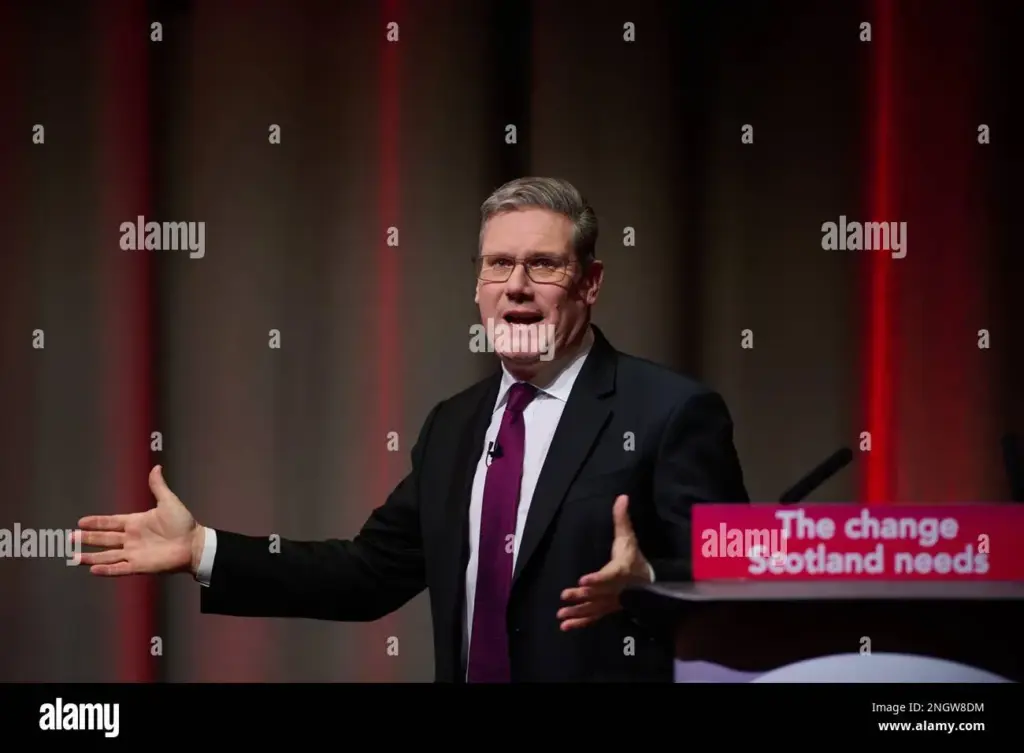
Sir Keir Starmer, the current leader of the Labour Party, is navigating a pivotal phase in UK politics as the approach to the general election in 2027 unfolds. His leadership has been marked by intense scrutiny and political challenges, with critics questioning his efficacy at a time when Labour’s prospects seem precarious. In a recent Keir Starmer interview, he expressed confidence in his ability to turn the tide, yet many wonder if his optimistic rhetoric aligns with the reality on the ground. Starmer has pledged to focus on crucial issues, from economic recovery to international diplomacy, aiming to reestablish Labour’s position ahead of the next election cycle. As public impatience grows, the future of his leadership will undoubtedly be shaped by how he responds to these pressing challenges and the evolving political landscape.
The dynamics of UK governance are increasingly influenced by pivotal figures such as Keir Starmer, whose ambition to lead the Labour Party into the 2027 general election poses myriad challenges. As recent political discussions underscore, Starmer is at the helm during a transformative period characterized by heightened expectations from constituents. His strategies and decisions, particularly regarding economic policy and electoral preparations, are critical as they will dictate Labour’s viability against formidable opposition. The upcoming local elections loom large on the horizon, creating additional urgency for Starmer to demonstrate effective leadership and communication. Thus, as the political climate continues to shift, the implications of Starmer’s leadership style and policy stances will be crucial in determining both his party’s fate and his legacy.
Sir Keir Starmer’s Vision for the Future of UK Politics
In a recent interview, Sir Keir Starmer expressed his unwavering commitment to leading the Labour Party through the challenges it faces in the lead-up to the general election in 2027. He emphasized his belief that the true test of his leadership will come at the ballot box, dismissing rumors of potential challenges to his position. Starmer’s determination to amplify Labour’s influence is evident, as he described 2023 as a pivotal year for reassessing and reformulating their strategies amidst ongoing political unrest. His confidence signals a renewed focus on projecting a positive vision for both the party and the UK at large.
Starmer’s strategies are not without scrutiny, especially as he tones down negativity within the Labour Party. With rising public impatience for improvement, he aims to shift perceptions by asserting his plans for economic recovery and international relations. His promise to potentially close asylum hotels by 2029 showcases his commitment to addressing pressing issues in UK politics, but the effectiveness of these strategies will ultimately be tested during crucial elections ahead.
Frequently Asked Questions
What are Sir Keir Starmer’s plans for the Labour Party leadership ahead of the general election 2027?
Sir Keir Starmer has made it clear that he intends to lead the Labour Party into the general election in 2027. He expressed confidence in his leadership, stating, “I will be judged at the general election,” and emphasized his commitment to not stepping down even amidst political challenges. Starmer believes his party can improve its fortunes as the elections approach.
How is Sir Keir Starmer addressing the political challenges facing his leadership?
In recent interviews, Sir Keir Starmer acknowledged the political challenges facing him, including criticism from within his party. He aims to tackle these challenges by focusing on improving the economy, addressing public impatience for change, and reaffirming his leadership commitment. Furthermore, he is strategizing for the important elections in May, which will serve as a litmus test for his leadership.
What was discussed in the recent Sir Keir Starmer interview regarding the UK’s political landscape?
During the recent interview, Sir Keir Starmer discussed various pressing topics, including the upcoming local elections and their impact on his leadership. He reflected on the need for a shift in tone to overcome his previous unpopularity and aimed to project optimism regarding the Labour Party’s future. His comments on foreign policy and economic strategies were also pivotal in shaping the current political landscape in the UK.
What strategies is Sir Keir Starmer implementing to improve Labour’s standing ahead of May elections?
Sir Keir Starmer is focused on addressing key issues such as economic recovery and public concerns over asylum policies. He has committed to closing asylum hotels ahead of the 2029 deadline and aims to highlight improvements in the economy as Labour prepares for the May elections. These strategies are designed to increase Labour’s appeal and counteract the momentum of opposition parties.
How does Sir Keir Starmer view the impact of the general election 2027 on his political future?
Sir Keir Starmer views the general election of 2027 as critical to his political future, asserting that he will be held accountable for his leadership at that time. He believes that the election results will reflect his effectiveness in governance and his ability to unite the Labour Party. Starmer is committed to facing the electorate and believes that positive changes will emerge by then.
What position does Sir Keir Starmer take on Brexit and potential alignments with the single market?
Sir Keir Starmer has affirmed that he is not reversing Brexit decisions but indicated a new commitment to align more closely with the single market. This stance aims to address Labour’s internal pressures while potentially attracting criticism from opposition parties like the Conservatives. Starmer’s approach seeks to balance respect for Brexit outcomes with the economic realities facing the UK.
What initiatives is Sir Keir Starmer pursuing to enhance his leadership image?
To enhance his leadership image, Sir Keir Starmer is attempting to project a more optimistic tone, moving away from the previous perception of being excessively negative. He is emphasizing economic recovery plans and strategic foreign policy initiatives, such as building security frameworks with Western allies for Ukraine, aiming to restore confidence in his leadership.
How are Sir Keir Starmer’s political fortunes perceived by his colleagues within the Labour Party?
There are mixed perceptions about Sir Keir Starmer’s political fortunes within the Labour Party. Some colleagues are supportive and believe in his leadership capabilities, while others question his effectiveness, leading to discussions about potential leadership challenges. Starmer’s ability to navigate his commitments and public sentiment will be crucial in determining his future within the party.
| Key Points | Details |
|---|---|
| Sir Keir Starmer’s Confidence | Starmer believes he will be prime minister by 2027 and insists he will be judged in the general election. |
| Internal Party Challenges | Many colleagues doubt his effectiveness, with some considering leadership challenges. |
| Upcoming Elections | Elections in May will test his leadership despite his claims they are about local governance. |
| Economic Outlook | Sir Keir predicts economic improvement despite rising unemployment. |
| International Relations | He expresses hope for a peace agreement in Ukraine and advocates for international law. |
| Brexit Position | Starmer seeks closer ties to the single market, risking backlash over Brexit promises. |
| Political Tone | His attempt at optimism contrasts with previous criticisms of him being glum. |
Summary
Sir Keir Starmer, as the current prime minister, faces significant challenges ahead, especially with the upcoming elections that will be critical for his leadership. Despite his confidence in turning the tide for Labour by 2027, internal doubts loom among his colleagues about his effectiveness. His optimistic approach, aggressive economic forecasts, and revised stance on Brexit may help improve public perception, but will also place him under scrutiny. As he embarks on this crucial year, the question remains: can Sir Keir Starmer deliver on his promises and reassure those who doubt his leadership?