
Listen to this article
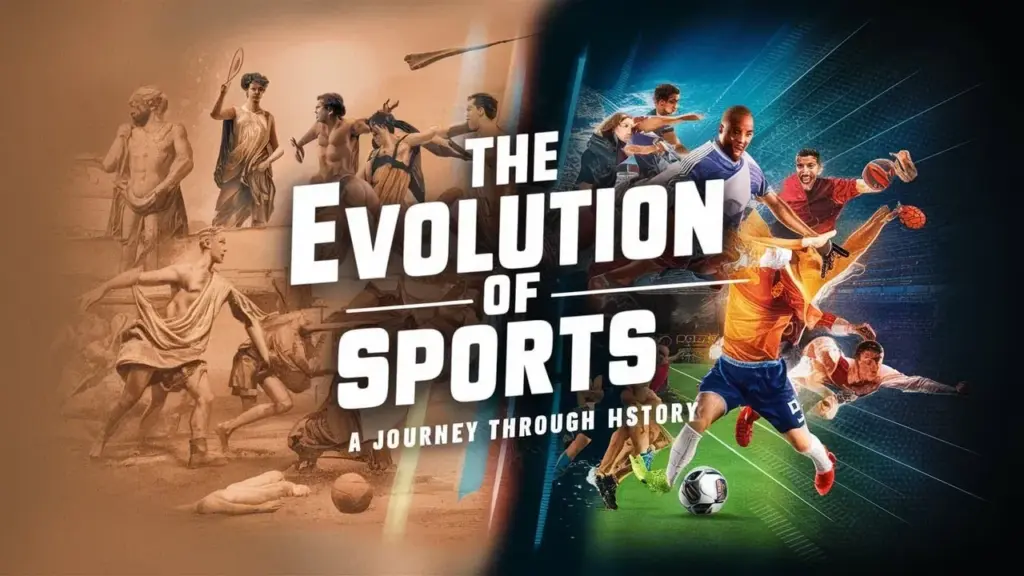
The Evolution of Sport reveals a fascinating journey from primitive contests to highly-organized professional leagues that captivate billions. Over the centuries, sports have not only served as a source of entertainment but also play a pivotal role in reflecting the historical significance of sports in shaping societal values and norms. This journey illustrates how sports and society intertwine, showcasing their mutual impact on culture and collective identity. As we explore the history of athletics, we uncover how sports have acted as a catalyst for social change, challenging stereotypes and addressing inequalities throughout time. In this discourse, we will examine the transformative power of sports and their lasting imprint on our world.
The transformation of athletic competition throughout history speaks volumes about human development and social dynamics. From ancient gatherings of physical prowess to modern-day sports that unite millions across diverse cultures, the journey is as profound as it is varied. Events steeped in communal traditions and symbolic rituals have consistently mirrored the evolving identity of society. Moreover, the interplay between sports and social progress underscores the significant role sports play in advocating for change and encouraging inclusivity. As we delve deeper into this topic, we will illuminate how the fabric of society has been stitched with the thread of athletic endeavor.
Historical Development of Sport
The historical development of sport is a fascinating journey that intertwines with the evolution of human society. From its earliest manifestations in ancient cultures, sports have served various important functions, including ritualistic, competitive, and entertainment purposes. For example, in ancient Greece, sports were celebrated as part of religious festivals, intertwining athletic excellence with devotion to the gods. Consequently, this intertwining brought together communities and fostered a shared identity, giving rise to events like the Olympic Games.
As cultures progressed, so too did the structuring and organization of sports. The dynamic nature of sport reflected broader societal changes, including shifts in social hierarchies and growing population densities. During the medieval era, sports like jousting and archery emerged as highly structured competitions, reflecting feudal values of honor and valor. This historical context illustrates how sport has consistently adapted to societal norms while simultaneously shaping cultural narratives.
The Cultural Impact of Sports
Sports have played a significant role in shaping cultural identities throughout history. They provide a platform for communities to bond over shared experiences, whether it be through local town sports or international competitions like the FIFA World Cup. The emotional ties that fans develop for their teams illustrate how sports can transcend mere competition, morphing into essential components of cultural expression and identity. Sports amplify the sociocultural fabric of societies, promoting values such as teamwork, fairness, and resilience.
Furthermore, the impact of sports infiltrates various sectors of society, influencing art, literature, and even politics. Historical figures like Jesse Owens and Muhammad Ali not only became sports icons but also symbols of cultural change and resilience against social injustices. Their athletic achievements were forever tied to their roles in advocating for civil rights, demonstrating how sports can reflect societal values and influence cultural discourses.
The Role of Ritual in Sports
Rituals have been an intrinsic part of sports, enriching the experience for both players and spectators. The practice of rituals at sporting events, from pre-game traditions to post-game celebrations, enhances the atmosphere and fosters a collective sense of belonging among fans. For instance, rituals like singing national anthems or performing team chants before games create a unique communal experience that engages not only the players but also the entire audience.
Moreover, these rituals often reflect the broader societal context. In contemporary sports, events such as the Super Bowl or the World Series serve as modern-day rituals, where communities unite to participate in shared traditions. The anticipation of these events often mirrors societal celebrations and serves as an opportunity for cultural expression, reinforcing social bonds and offering participants a chance to connect with their heritage.
Sports as a Vehicle for Social Change
The intersection of sports and social change is a potent domain of study as athletes have often become influential figures in advocating for social justice. Notable athletes like Colin Kaepernick, who took a knee during the national anthem, used their platforms to draw attention to issues of racial inequality. Such actions illustrate how sports can amplify social messages and inspire movements, highlighting the transformative power of athletics in addressing contemporary societal challenges.
Additionally, the inclusion of women in sports has significantly contributed to the discourse of equality and representation. The passage of Title IX in 1972 ignited a surge in female participation in competitive sports, leading to the rise of significant female athletes who have used their notoriety to champion gender equality in sports and beyond. This narrative not only reflects the progression of women in sports but also underscores the critical relationship between athletics and societal advancement.
The Modernization of Sports
Modernization has greatly influenced how sports are perceived and engaged with in society. The advent of advanced technology has transformed the experience of sports, shifting from purely physical contests to highly analyzed events. The integration of data analytics and instant replay has changed how games are officiated and how strategies are developed, ultimately enhancing the viewer’s experience and engagement. Fans now access in-depth statistics and real-time performance monitoring, which deepens their understanding and appreciation of the game.
Moreover, the commercialization of sports has redefined its landscape, turning athletes into global ambassadors and brands. Sponsorships and media rights have not only increased financial investments in the sports industry but have also made elite sports more accessible to audiences around the world. While commercialization raises questions about the purity of competition, it also strengthens the bond between communities and sports, as fans can now engage with their favorite teams and athletes in unprecedented ways.
The Globalization of Sports
The globalization of sports has resulted in a rich tapestry of international competition, bringing diverse cultures together through a shared love for athletics. Events like the Olympics and the FIFA World Cup attract millions of viewers, celebrating not just the athleticism but also the cultural diversity represented by participating nations. This globalization fosters an understanding of different cultures and enhances global harmony through shared experiences.
However, globalization also presents challenges as localized sports face competition from global franchises. This phenomenon can lead to cultural erosion as international standards and practices overshadow traditional sports. Maintaining the balance between embracing globalization and preserving local sporting traditions is a vital conversation within the sports community, reflecting shifts in cultural values and global interactions.
Technological Advancements in Sports
Technological advancements have revolutionized the sports industry, reshaping how games are played, officiated, and consumed. Wearable fitness technology enables athletes to monitor their performance metrics in real-time, optimizing their training and recovery processes. This enhancement of athletic capabilities not only benefits individual performance but also fosters a more competitive environment in professional sports.
Furthermore, the digital transformation has changed how fans engage with sports. Social media platforms have cultivated direct interactions between athletes and fans, making sports more accessible and participatory. Live streaming and instant updates allow global fans to connect with their favorite teams and players instantaneously, creating a hyper-connected sports culture that transcends geographical barriers.
The Future of Sports and Society
As we look towards the future, the evolution of sports continues to reflect broader societal trends and changes. The increasing emphasis on inclusivity and diversity is expected to shape the landscape, with more organizations recognizing the importance of representing and supporting underrepresented groups. Initiatives promoting adaptation across various sports will likely continue, creating opportunities for athletes from all backgrounds to participate and shine.
Additionally, the interplay between technology and sports is set to deepen. Innovations such as virtual reality training and advanced analytics will further transform coaching strategies and fan engagement, presenting new avenues for athletic development. The ongoing evolution of sports will remain a potent means of exploring societal values and progress, challenging us to rethink how we approach competition and community in an ever-changing world.
The Lasting Relevance of Sports
Despite countless changes over centuries, the underlying relevance of sports remains. They continue to unite communities and serve as a reflection of societal values, aspirations, and challenges. The historical significance of sports encapsulates the essence of human connection, highlighting how competition fosters camaraderie and collective identity. This enduring relevance underscores the powerful role sports play in our social fabric.
Looking ahead, the impact of sports in culture and society is likely to intensify. Through social initiatives and awareness campaigns, sports will remain a platform for influential voices advocating for change. As younger generations become increasingly engaged in both local and global sports, the potential for further societal transformation through athletics is vast, affirming the notion that sport is indeed a powerful vehicle for cultural evolution and social progress.
Frequently Asked Questions
What is the historical significance of sports in the evolution of sport?
The historical significance of sports lies in its ability to reflect cultural values and societal norms, evolving from ancient rituals to modern athletic competitions. Sports have served as communal gatherings that build identity and pride among participants and spectators, showcasing the evolution of sport through shared experiences across different eras.
How has the relationship between sports and society changed over time?
The relationship between sports and society has transformed significantly, with sports initially serving communal and ritualistic purposes in ancient times. Over the centuries, as societies evolved, sports became platforms for social change, highlighting issues like civil rights and gender equality while also responding to the dynamics of globalization and commercialization in the evolution of sport.
What impact does sport have on culture and social change?
Sport has a profound impact on culture, often acting as a catalyst for social change. Throughout history, figures like Muhammad Ali and Billie Jean King have used their platforms to challenge injustices, illustrating how the evolution of sport contributes to cultural shifts and advancements in social equality.
What are examples of the historical origins of sports?
The historical origins of sports can be seen in ancient Greek Olympic Games around 776 BC, where athletic competitions honored Zeus and showcased physical prowess. Other examples include Mesoamerican ball games and China’s Shuai Jiao wrestling, reflecting the cultural values and societal norms of these civilizations in the evolution of sport.
How do modern sports events reflect their historical significance?
Modern sports events, such as the Super Bowl and FIFA World Cup, mirror their historical significance by uniting diverse communities in shared experiences that echo tribal or communal gatherings of the past. These events embody traditions and cultural pride, indicating how the evolution of sport remains intertwined with societal identity.
In what ways has the commercialization of sport influenced its evolution?
The commercialization of sport has dramatically influenced its evolution by transforming athletes into global brands, driven by sponsorships and media rights. While this has increased accessibility and fan engagement, it has also sparked debates over the integrity of sports, raising questions about the balance between profit and the spirit of competition.
How has technology impacted the evolution of sports?
Technology has significantly impacted the evolution of sports by enhancing how games are played, officiated, and consumed. Innovations such as instant replay, data analytics, and social media have created a more engaging fan experience, allowing for real-time interaction and deeper connections between athletes and supporters.
What role did athletes play in social movements throughout the evolution of sport?
Athletes have played crucial roles in social movements throughout the evolution of sport, using their visibility to address societal issues. Icons like Jackie Robinson and Serena Williams have leveraged their status to advocate for civil rights and gender equality, exemplifying how sports can be a platform for social activism and change.
How does sport serve as a reflection of social identity through history?
Sport serves as a reflection of social identity through history by encapsulating themes of pride, community, and belonging. As societies evolve, sports reflect the changing dynamics of culture and identity, acting as a mirror of collective values and experiences integral to the evolution of sport.
What can we expect for the future of sports regarding its evolution?
The future of sports will likely continue to evolve with advances in technology, cultural shifts, and increased inclusivity. As innovation shapes how sports are played and consumed, we can expect ongoing transformations that reflect the values and practices of society in the evolution of sport.
| Key Point | Description |
|---|---|
| Historical Origins of Sport | Sport originated from ancient civilizations, linked to rituals and communal activities, such as the Olympic Games in Greece. |
| Ritualistic Nature | Sport has served as a ritualistic and social gathering, reflecting societal norms and class structures. |
| Sport and Social Change | 20th-century sports became platforms for activism, influencing social norms and promoting equality, especially for women. |
| Globalization and Commercialization | The commercialization of sports has created global brands and large revenues, but raised debates about profit vs. competition. |
| Role of Technology | Technological advancements have changed gameplay, officiating, and fan interactions, enhancing viewer engagement. |
Summary
The evolution of sport highlights its significant role in shaping societal dynamics over time. From its ancient origins rooted in rituals and communal gatherings to its present-day status as a global industry, the evolution of sport mirrors cultural identities and responses to social changes. This journey has seen sports evolve into platforms for activism and inclusivity, while globalization and technology continue to redefine how sports are played, viewed, and experienced. Understanding this evolution allows us to appreciate not just the games themselves, but their profound impact on society and culture.

