Listen to this article
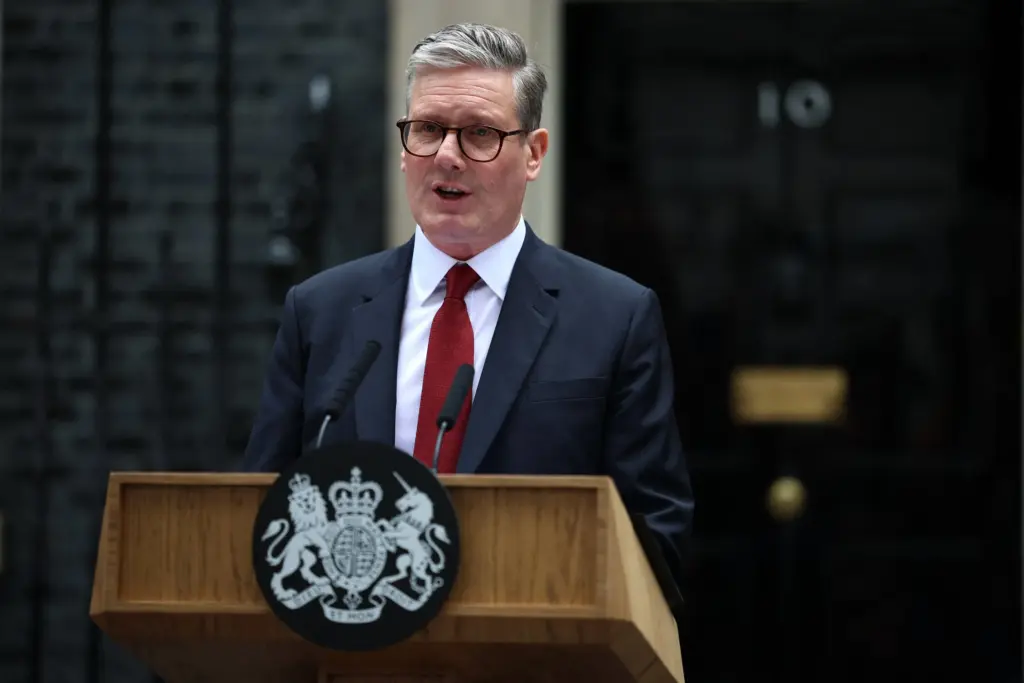
Sir Keir Starmer’s leadership has become a focal point in the UK political landscape as he prepares for challenges ahead, particularly with the 2026 election looming. Following a difficult year marked by economic concerns and fluctuating popularity, Starmer is determined to steer the Labour Party through the upcoming elections in Scotland and Wales. He has dismissed criticisms about his leadership style, confident that he will remain in power next year and deliver the positive change that voters seek amidst the ongoing cost of living crisis. As Labour gears up for the elections, Starmer’s strategy will be vital in securing support not just in urban councils but also in the broader national context. With significant decisions ahead, the dynamics of his leadership will play a crucial role in shaping the future of the party and the country.
The leadership of Sir Keir Starmer signifies a pivotal moment for the Labour Party, especially as the 2026 elections approach. Facing scrutiny amid economic challenges, including the rising cost of living and perceptions of a lack of direction, Starmer’s approach toward governance will be under the microscope. His commitment to progressive change resonates with many voters who are keen to see a shift in the political atmosphere of the UK and a coherent Labour Party strategy. Upcoming elections in Wales and Scotland will test his resolve and the party’s effectiveness in addressing key social issues. As he navigates these turbulent waters, Starmer aims to reaffirm his leadership role and outline a vision that connects with the electorate’s needs.
Sir Keir Starmer Leadership: A Commitment to Change
Sir Keir Starmer’s leadership has remained a focal point in the UK political landscape, particularly as we edge closer to the 2026 election. In an exclusive interview, Starmer expressed confidence in his leadership, asserting that he was elected with a five-year mandate to drive meaningful changes within the nation. His statement indicates his steadfast commitment to fulfilling promises made to the electorate, which include addressing pressing issues such as the cost of living crisis that continues to burden families across the country. The Labour Party strategy moving forward will likely hinge on this commitment to change, as voters seek stability and progress amid economic challenges.
Starmer’s assertion that he will still occupy the prime minister’s seat by 2027 underscores his determination to challenge the status quo and restore faith in political leadership. By distinguishing his campaign from the previous Conservative government’s turmoil, he aims to position the Labour Party as a beacon of reliability and positive governance. As the elections in Wales and Scotland approach, Starmer’s leadership will be put to the test, and the outcomes could determine his credibility and longevity as the Labour leader.
Implications of the 2026 Election on the Labour Party
The upcoming 2026 election is poised to significantly impact the Labour Party’s strategy and overall direction. With key elections in Scotland, Wales, and various local authorities in England scheduled for May, the Labour Party must strategize effectively to maintain its governing presence, especially in regions like the Senedd where it holds power. As Sir Keir Starmer stated, these elections should not be viewed as a referendum on his leadership, yet they undeniably reflect the public’s sentiment towards his administration’s handling of issues such as the enduring cost of living crisis.
The public’s response to Labour’s performance in these elections will serve as a litmus test for Starmer’s policies and approach. Should the results yield strong performances for Labour, it may embolden the party’s agenda moving forward. Conversely, any losses could signal a need for recalibration in both leadership and strategy. Starmer’s promise to tackle economic concerns, coupled with his emphasis on a unified political direction, could be pivotal in how the party navigates the complexities of the UK political landscape as the election cycle unfolds.
Labour Party Strategy in Addressing Public Concerns
In light of the current economic struggles and the cost of living crisis, the Labour Party is formulating strategies to directly address these public concerns. As emphasized by Sir Keir Starmer, improving the lives of families across the United Kingdom hinges on responsive policy development that resonates with the realities voters face daily. With inflation and housing costs skyrocketing, Starmer’s administration is tasked with delivering tangible solutions that not only stabilize the economy but also enhance overall public wellbeing. This proactive stance is crucial, especially as Labour navigates the upcoming elections in Wales and Scotland, where the electorate’s needs are both specific and urgent.
The Labour Party’s focus on communicating a clear, actionable plan is essential to winning back voter trust after years of perceived neglect by previous governments. As part of its strategy, Labour is likely to emphasize a comprehensive approach, which might include increased investment in public services, measures to combat inflation, and support for vulnerable communities. By placing these critical issues at the forefront of their campaign, Labour aims to reinforce its position as a responsible alternative to the current Conservative leadership, setting a foundation for success in both the 2026 election and beyond.
Navigating Challenges: The Political Landscape Ahead
The 2026 election cycle presents a complex array of challenges for both the Labour Party and Sir Keir Starmer. As the political landscape evolves, Starmer must deftly navigate issues such as rising living costs, public dissatisfaction, and the fallout from leadership controversies within the party. Following incidents involving potential leadership challenges, it is clear that internal cohesion will play a significant role in how the party presents itself to voters. Maintaining a united front will be crucial as Labour seeks to capitalize on the discontent directed towards the Conservative Party.
Furthermore, the elections in Wales, Scotland, and local councils across England will serve as pivotal moments for Starmer’s leadership to shine or falter. As he has articulated, these aren’t merely contests in political power; they are opportunities for Labour to demonstrate its commitment to addressing the cost of living crisis and providing a clear alternative to voters. Starmer’s ability to unify the party and convey a coherent message related to these critical issues will be essential in transforming potential challenges into avenues for electoral success.
The Role of Public Sentiment in Starmer’s Leadership
Public sentiment plays a pivotal role in shaping the trajectory of any political leader, and for Sir Keir Starmer, this is particularly relevant as the 2026 elections loom closer. The opinions and perceptions of UK citizens regarding his leadership will not only influence his popularity but also determine the Labour Party’s strategy moving forth. Starmer recognizes that to sustain leadership and effectively govern, he must actively engage with the public and resonate with their concerns surrounding economic instability and social equity. His forthcoming actions and policies will likely be heavily scrutinized by both allies and adversaries.
Moreover, the success of the Labour Party’s initiatives will depend on its ability to respond to the nuanced needs of voters in various regions, including responding to the distinct concerns of Welsh and Scottish electorates. Starmer’s commitment to addressing the cost of living crisis, coupled with inclusive governance strategies, can play a critical role in winning support during these elections. Ultimately, understanding and addressing public sentiment will be paramount for Starmer’s success in fortifying his position as a leader and charting a hopeful course for the Labour Party.
Stability and Change: Balancing Act for Starmer
As Sir Keir Starmer prepares for the upcoming elections, he faces the delicate balancing act of providing stability within the Labour Party while also advocating for necessary change in policies. The turbulence of the past political era under Conservative leadership saw significant unrest, contributing to the electorate’s longing for a stable and coherent government. Starmer understands that showcasing a collaborative and unified leadership style will be crucial in gaining public trust and securing votes, especially as the cost of living crisis continues to affect everyday families.
However, stability does not come without its challenges. Starmer must also project a vision for progressive change that resonates with the electorate’s demands. Voters are eager to see actionable strategies that tackle issues like rising inflation, housing crisis, and public service funding. By asserting his stance on these matters while ensuring that party leadership remains cohesive, Starmer aims to present Labour as not just a safe choice, but a visionary one, capable of leading the UK into a new era of prosperity and stability.
Economic Recovery: Labour’s Promises and Challenges
The discussion surrounding economic recovery remains a central theme in the lead-up to the 2026 elections. Sir Keir Starmer has publicly acknowledged the prevailing cost of living crisis that weighs heavily on families across the UK. His government is tasked with illustrating a clear roadmap towards economic recovery that resonates with voters seeking real solutions to their financial struggles. As Labour retains governance in some urban councils, it is crucial for Starmer to implement effective policies that demonstrate his commitment to revitalizing local economies and improving fiscal stability.
Moreover, the Labour Party’s ability to craft a compelling narrative around economic recovery will be pivotal in gaining the trust of the electorate. Starmer’s promises to prioritize public well-being and socio-economic reforms must be met with concrete achievements. This could involve advocating for innovative solutions to address inflation, enhance job creation, and support small businesses. The path forward is fraught with challenges, yet it also presents an opportunity for the Labour Party to establish itself as a frontrunner in the discourse surrounding economic recovery.
Regional Elections: The Impact on National Leadership
The regional elections set for May present both opportunities and challenges for Sir Keir Starmer and the Labour Party. As Starmer has indicated, while these elections are crucial, they should not be seen strictly as reflections of his leadership. Nevertheless, the outcomes in Wales and Scotland could play a significant role in shaping perceptions of Labour’s national viability. Strong performances in these elections could bolster Starmer’s standing, affirming his claim to political stability and progress amidst ongoing debates about economic conditions.
A successful strategy could help Labour refresh its image and consolidate power in regions where it has historically excelled. Conversely, poor showings could heighten scrutiny on Starmer’s leadership and raise questions about the effectiveness of Labour’s core policies. Therefore, while the regional elections might not serve as a direct referendum, they undoubtedly hold significant implications for Labour’s strategy and Starmer’s ability to continue leading the party toward a successful and cohesive future.
Looking Ahead: Starmer’s Vision for the Future
As we survey the horizon leading into the 2026 elections, Sir Keir Starmer’s vision for the future will be paramount in shaping the Labour Party’s narrative. To fulfill his mandate, Starmer must formulate a compelling message that addresses the current challenges facing voters, such as the cost of living crisis and economic recovery. His New Year’s message delineated his intent to bring about positive change, and this commitment will resonate with families counting on their leaders to redefine the political landscape in tangible ways.
With substantial political maneuvering required, Starmer’s leadership will be constantly tested against public expectations and electoral reality. Building a responsive government that actively addresses citizens’ fears and aspirations is essential not only for electoral success but also for rehabilitating the Labour Party’s reputation. As he prepares for his first Cabinet meeting of 2026, the weight of public sentiment will guide the strategic decisions made in the upcoming months, culminating in a pivotal election year.
Frequently Asked Questions
What are Sir Keir Starmer’s views on his leadership effectiveness amidst the 2026 election preparations?
Sir Keir Starmer confidently maintains that he will still be the Prime Minister by 2027, insisting that he has a five-year mandate from his election in 2024 to implement significant changes. Despite criticisms and challenging economic conditions, he believes his leadership approach is necessary to avoid the chaos seen under the previous government.
How does Sir Keir Starmer plan to address the cost of living crisis during his leadership?
During his leadership, Sir Keir Starmer has prioritized addressing the cost of living crisis, acknowledging the concerns of families across the UK. He has committed to persistent efforts aimed at improving living conditions as he prepares for the critical elections in Scotland, Wales, and England in May 2026.
What impact could the upcoming elections in Scotland and Wales have on Sir Keir Starmer’s leadership?
The upcoming elections in Scotland and Wales on May 7, 2026, are crucial for Sir Keir Starmer’s leadership, as they will serve as a litmus test for Labour’s popularity under his guidance. Success in these elections is essential for reinforcing his mandate and demonstrating effective Labour Party strategy.
How does Sir Keir Starmer perceive the political landscape as he heads into the 2026 elections?
Sir Keir Starmer acknowledges the challenges present in the UK political landscape as he approaches the 2026 elections. He emphasizes that the elections should not be viewed as a referendum on his leadership but rather as an opportunity to showcase Labour’s achievements and his plans for positive change.
In what ways has Sir Keir Starmer responded to potential leadership challenges within the Labour Party?
Sir Keir Starmer has addressed potential leadership challenges by assuring that he will not lead the Labour Party back into chaos, emphasizing stability and focus on key issues during his leadership. He has dismissed rumors about internal conflicts, asserting that his commitment to his mandate remains strong.
How does the criticism from the Conservative Party influence perceptions of Sir Keir Starmer’s leadership?
Criticism from the Conservative Party, particularly claims that Sir Keir Starmer’s decisions have worsened the cost of living crisis, affects public perception of his leadership. However, Starmer maintains that effective leadership and a strong Labour Party strategy are vital for overcoming these challenges as he looks toward the 2026 election.
| Key Points |
|---|
| Sir Keir Starmer has dismissed leadership concerns and believes he will be prime minister in 2027. |
| He does not see the upcoming elections as a referendum on his government. |
| Starmer expressed commitment to his 2024 five-year mandate to enact change. |
| He pledges to address the cost of living crisis and improve families’ lives. |
| Starmer has emphasized stability in leadership as vital for the nation’s interest. |
| Upcoming elections in Scotland, Wales, and England are critical for Labour’s governance. |
| Recent controversies have sparked speculation about potential leadership challenges. |
| Conservative leader Kemi Badenoch criticized Starmer’s handling of the cost of living crisis. |
Summary
Sir Keir Starmer leadership has shown resilience amidst political challenges, as he insists on his commitment to governing Britain effectively. Despite facing criticism and speculations regarding his leadership, Starmer remains focused on delivering a stable and prosperous future for the country. He reassures the public of his dedication to addressing pressing issues like the cost of living and believes he will successfully navigate the upcoming elections, reinforcing Labour’s position in Welsh and Scottish parliaments.