Listen to this article
The evolution of sport is a fascinating journey that chronicles the transformation of athletic activities over centuries, reflecting the intricate relationship between sports and culture. From ancient competitions in the arenas of Greece to the global phenomena of modern sports, this evolution showcases the profound impact of sports on society. Throughout history of sports, athletes have not only entertained but have also inspired and united people across diverse cultures, often serving as catalysts for social change. Understanding the evolution of sport grants us insight into its cultural significance, as it has shaped collective identities and influenced societal structures. As we delve deeper into this narrative, we uncover how the interplay between sports and culture continues to redefine our values and social landscapes.
The development of athletic competition has been a significant aspect of human history, resonating with cultural identities and societal norms. Over time, sports have transformed into organized events that reflect the values and dynamics of their respective eras. The sporting world has seen shifts from traditional forms of play to the structured competitions we recognize as modern sports today. Athletic endeavors not only entertain but also foster community spirit and cultural pride, demonstrating the multifaceted role sports play in our lives. As we explore the history and influence of athletics, we can appreciate the ways in which these physical pursuits continue to shape our society.
The Impact of Sports on Society
Sports have long played a crucial role in shaping societal values and behaviors. From ancient Greece to the present day, athletic competitions have reflected the social attitudes of their time, often serving as platforms for change. For instance, during the civil rights movement in the United States, athletes like Muhammad Ali and Jim Brown used their prominence to advocate for racial equality, demonstrating how sports can intersect with social justice issues.
Moreover, sports often bring communities together, fostering a sense of belonging and pride among fans. Community-based sports teams create avenues for social interaction, helping to combat isolation and build connections across diverse demographics. Events such as local tournaments or youth leagues provide invaluable experiences that promote teamwork and cooperation, reinforcing the idea that sport is integral to social cohesion.
The Evolution of Sport Through History
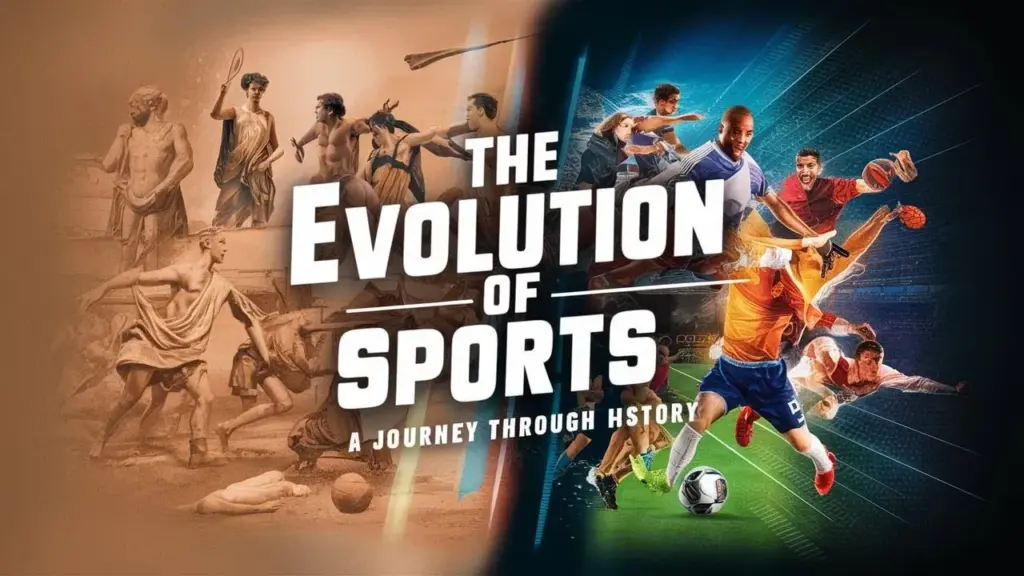
The evolution of sport is intricately tied to human history, reflecting changes in societal structures and cultural values. Initially, sports emerged from survival practices, such as hunting and physical combat, evolving into rituals and organized competitions over centuries. Ancient civilizations, such as the Egyptians and Greeks, elevated sports to a realm of honor and prestige, celebrating athletic prowess not merely for entertainment but as a means of cultural identity.
As we progressed into the Renaissance, the formalization of sports became apparent, with codified rules and organized competitions emerging. The establishment of major sports leagues transformed these activities into commercially viable ventures that engage global audiences. This historical trajectory showcases how sports have grown from basic forms of physical competition to a multifaceted component of modern culture, encompassing various themes of social significance and identity.
Modern Sports: A Cultural Phenomenon
Today, modern sports have evolved into a powerful cultural phenomenon that transcends borders. Global events like the FIFA World Cup and the Olympics highlight not only athletic talent but also the spirit of international camaraderie and competition. These events create a shared experience across diverse cultures, making sports a universal language that connects individuals regardless of their backgrounds.
Furthermore, modern sports reflect and sometimes challenge prevailing social norms. The way in which athletes utilize their platforms for advocacy—addressing issues such as gender equality, racial injustice, and mental health awareness—demonstrates the growing recognition of sports as a vehicle for social change. This cultural dimension of modern sports underscores their significance beyond mere entertainment, solidifying their role in influential societal dialogues.
The Role of Technology in Sports
Advancements in technology have dramatically altered the sports landscape, from how games are played to how fans experience them. The integration of data analytics has not only enhanced athletic performance but also provided teams and coaches with organizational strategies that were previously unimaginable. Instant replay technology has revolutionized officiating, ensuring fair play and enhancing the viewing experience for audiences.
Moreover, the rise of gamification and eSports has opened new avenues for engagement, appealing to a generation that thrives in digital environments. These developments challenge traditional notions of athleticism while expanding the definition of what constitutes a sport. As technology continues to evolve, it will undoubtedly shape the future of sports, further intertwining it with cultural and societal trends.
Cultural Significance of Sports Events
Sports events serve as significant cultural touchstones where communities come together to celebrate shared identities. From the Super Bowl in the United States to the cricket World Cup in India, these moments unite fans from diverse backgrounds, transcending regional and cultural barriers. They foster national pride and community spirit, creating a sense of belonging that resonates deeply among spectators and participants alike.
Additionally, the rituals and traditions surrounding sports events highlight their profound impact on culture. Whether it’s the custom of displaying national flags, the cheerleading chants unique to each team, or the festive atmosphere surrounding major tournaments, these elements are vital in reinforcing community ties. Sporting events serve not merely as contests of physical prowess but as vital expressions of cultural identity.
The Intersection of Gender and Sports
The evolution of women’s sports has been a groundbreaking aspect of the sporting world, reflecting larger societal changes regarding gender equality. Women athletes have faced significant barriers historically, often fighting for recognition and equal treatment in the sports arena. Recent decades have seen incredible progress, with female athletes achieving prominence and visibility equivalent to their male counterparts, thereby inspiring future generations.
However, challenges remain, as disparities in pay, coverage, and opportunities compared to male athletes continue to exist. Movements advocating for gender equality in sports are gaining momentum, highlighting issues that linger even in contemporary settings. The growing visibility of women in sports not only serves as a platform for equality but also challenges traditional perceptions, redefining the cultural significance of female athletes.
The Global Influence of Athletes
Athletes have transcended the realm of sports to become influential figures in global culture and society. Icons like Serena Williams, LeBron James, and Lionel Messi not only excel in their sports but also leverage their platforms to advocate for social issues, becoming symbols of change. Their influence often extends beyond the field, as they utilize their visibility to address critical societal conversations, reshaping public discourse.
Additionally, athletes are increasingly seen as role models whose actions and values resonate with millions. Through charity work, activism, and community engagement, they foster a culture of giving back, further solidifying their importance as cultural leaders. This intersection of athletics and social influence underscores the evolving role of sports within a broader societal context, emphasizing their capacity to inspire and enact change.
Historical Perspectives on Sports and Culture
The historical development of sports is closely intertwined with cultural evolution, reflecting societal values at different times. In ancient times, sports were often linked to religious ceremonies, emphasizing both physical and spiritual endurance. The significance of sports during these periods went beyond mere entertainment; they were crucial in shaping beliefs and traditions, making them fundamental components of cultural identity.
As history progressed, sports began to reflect changes in societal norms and values, adapting to the needs of evolving cultures. The way sports are structured and viewed today often mirrors public perceptions of nationalism, community, and identity. Thus, examining sports through a historical lens reveals insights into the cultural shifts that have influenced both the structure of sports and their role in society at large.
Future Trends in Sports and Society
Looking ahead, the future of sports will likely be shaped by ongoing societal changes and technological advancements. The rise of digital platforms, virtual reality, and enhanced fan experiences will fundamentally alter how sports are consumed and interacted with. This shift will not only impact the athletes and organizations involved but also redefine the cultural landscape surrounding sports as they become even more accessible globally.
Moreover, as societal issues continue to surface, the role of sports in advocacy and community engagement will likely expand. Athletes will remain at the forefront of movements that challenge norms and drive critical discussions, cementing sports not just as games but vital instruments for societal change. The interplay between sports, technology, and social justice will be pivotal in shaping the future cultural significance of athletic pursuits.
Frequently Asked Questions
What is the significance of the evolution of sport in our society?
The evolution of sport is significant as it reflects changing cultural and societal values. Sports have historically acted as mirrors to societal issues such as race and gender, providing a platform for social change and enhancing community cohesion.
How did ancient civilizations influence the evolution of sport?
Ancient civilizations like Greece, China, and Egypt laid the groundwork for the evolution of sport by integrating athletic activities with cultural traditions and religious practices, shaping the early foundations of organized sports seen today.
In what ways did the Renaissance impact the modern sports landscape?
The Renaissance marked a turning point in the evolution of sport by introducing formal rules and organized competitions, leading to the establishment of iconic sports like football and cricket, deeply influencing modern sports culture.
How has technology shaped the evolution of sport in recent years?
Advancements in technology have transformed the evolution of sport by enhancing performance through data analytics and instant replays, and introducing eSports, which has broadened the definition of competitive sport in the digital age.
What role does the globalization of sport play in modern culture?
The globalization of sport plays a crucial role in modern culture by uniting diverse cultures through international events like the Olympics, fostering global connections and shared experiences through athletic competition.
How can the evolution of sport reflect social issues such as race and gender?
The evolution of sport reflects social issues by showcasing historical figures who challenged inequalities, such as Jackie Robinson and Billie Jean King, and by highlighting current movements that address systemic injustices in society.
What are the cultural implications of the evolution of sport on community identity?
The cultural implications of the evolution of sport on community identity include fostering a sense of belonging and pride, particularly through local sports teams that unite fans and celebrate shared traditions and values.
How do historical events shape the current landscape of modern sports?
Historical events shape the current landscape of modern sports by establishing traditions, influencing the rules, and creating iconic moments that define sports’ cultural significance and societal roles today.
What is the impact of major sporting events on society?
Major sporting events impact society by serving as platforms for national pride, promoting social interaction, and addressing significant issues, thus enhancing the cultural significance of sport within the community.
How is the evolution of sport viewed in the context of future societal changes?
The evolution of sport is viewed as an ongoing process that will continue to adapt to future societal changes, suggesting that sports will always reflect and influence cultural narratives and societal developments.
| Key Point | Description |
|---|---|
| Ancient Roots of Sport | Sport dates back to ancient civilizations like Greece, China, and Egypt, often tied to cultural and religious practices. |
| Renaissance and Modern Sports | The Renaissance marked the formalization of sports with established rules, leading to organized competitions like football and cricket. |
| Globalization of Sport | The 20th century saw a rise in international sporting events that united cultures, aided by television and technology. |
| Sport as a Reflection of Society | Sport mirrors societal issues such as race and gender, showcasing the potential for social change. |
| Role of Technology in Sports | Technology has transformed sports through data analytics and eSports, reshaping participation and viewership. |
| Cultural Significance of Sport | Sport fosters community and cultural identity, uniting people during significant events and supporting social cohesion. |
Summary
The Evolution of Sport has played a crucial role in shaping culture and society throughout history. From ancient athletic contests that intertwined with cultural rituals to modern global events that promote unity and international dialogue, sports have always reflected societal dynamics. As sports evolve, they adapt to changing values and norms, influencing important conversations around social justice, community identity, and technology. Thus, understanding the evolution of sport reveals not just the history of athletic pursuits, but also the deeper connections between sports and the society we live in today.