
Listen to this article
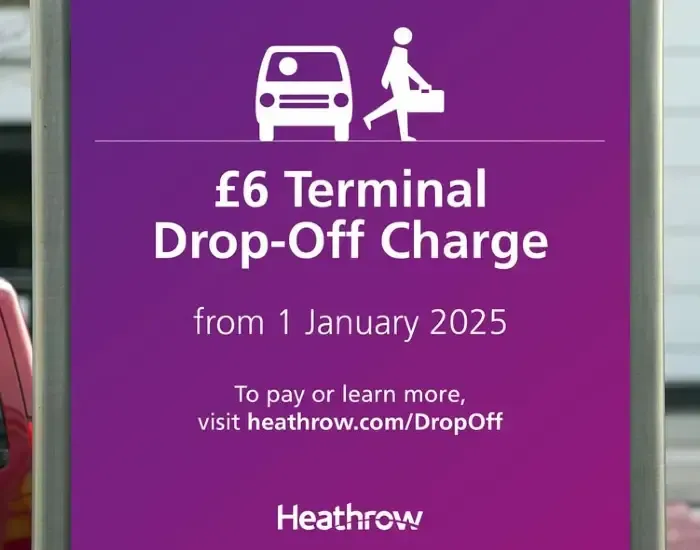
The recent increase in the Heathrow drop-off charge to £7 has reignited discussions among travelers and taxi drivers alike about London airport charges. Starting from the beginning of the year, this fee allows drivers a maximum stay of just 10 minutes, marking a noticeable rise from the previous £6 charge. Heathrow, which initially introduced the charge at £5 in November 2021, justified the increase as a means to recover from revenue losses during the COVID-19 pandemic and to mitigate traffic congestion. However, critics argue that these escalating fees further burden passengers and fuel skepticism about the motives behind such charges. With similar hikes at other airports like Gatwick, which is set to impose a £10 drop-off fee, it appears that airport drop-off fees in London are on a steady upward trend.
The newly adjusted Heathrow drop-off fees reflect a broader trend in airport policies across London. This ongoing push towards higher airport parking fees and drop-off charges indicates a shift in how these essential services are financed, creating new challenges for travelers. In addition to the escalating Heathrow taxi drop-off rates, comparable increases at Gatwick and Stansted suggest that the cost of accessing terminals is becoming more burdensome. As private hire drivers and passengers express their concerns, it becomes crucial to examine the financial dynamics at play behind these recent changes in airport drop-off costs. The conversation surrounding these charges not only highlights individual airport strategies but also sheds light on the potential impact on overall travel experience in the region.
Understanding Heathrow Drop-Off Charges
The recent increase in Heathrow’s drop-off charge to £7 has raised eyebrows among drivers and passengers alike. This new fee, effective immediately, allows drivers a maximum stay of just 10 minutes, which many argue is insufficient for smooth airport operations. Initially set at £5 in November 2021, the charge was introduced primarily to recover losses incurred during the pandemic and to combat congestion at the airport. Nevertheless, the rapid increase in fees has led to questions about its justification, especially in comparison to other London airport charges that are also on the rise.
With complaints from taxi drivers and passengers expressing frustration over the rising costs, it’s clear that this trend may continue across London’s airports. The ongoing adjustments to Heathrow’s parking and drop-off fees reflect a broader strategy among airports to maintain profitability in a post-pandemic environment. Thus, while Heathrow aims to address fiscal challenges, drivers like Zamir Dreni argue that the new charges are merely profit-driven, putting unnecessary financial pressure on the individuals relying on these transportation services.
Comparing Airport Drop-Off Fees in London
As Heathrow ramps up its drop-off charges, other airports across London are following suit. For instance, Gatwick Airport plans to introduce an increased drop-off fee of £10 starting January 6, making it the most expensive airport for drop-offs in the capital. Similar scenarios can be observed at airports like Stansted and Luton, where respective charges of £7 persist, though Luton introduces an additional fee of £1 for each minute exceeding the 10-minute threshold. This pattern underscores the growing financial burden on travelers using private vehicles or taxis for airport drop-offs.
London City Airport, set to implement an £8 drop-off charge, marks a significant shift in the landscape of airport fiscal policies. Previously, the absence of such charges made it an attractive alternative for those wishing to avoid hefty fees. With changes occurring across various terminals, passengers must now consider the financial implications of airport fees when planning their journeys. It’s evident that the cumulative rise in airport drop-off fees across London is designed to manage infrastructure costs while also driving revenue, thus impacting the overall travel experience.
The Implications of Increased Drop-Off Charges
The implications of increased drop-off charges touch various aspects of travel from convenience to cost-effectiveness. As fees escalate, passengers may find themselves searching for alternative travel solutions, such as public transport or ride-sharing services to avoid high airport charges. The added costs could deter travelers from using private vehicles, thereby influencing their overall airport experience. This shift may benefit public transport systems and encourage more sustainable travel options, albeit at the expense of convenience for some.
Moreover, as London’s airports strive to recoup lost revenue, the concern over continuous fee increases raises potential regulatory questions. Taxi operators and frequent flyers alike are worried that these charges may not only persist but also escalate over time. Critics argue that such fees can unfairly cater to wealthier travelers while potentially disadvantaging frequent flyers or those on a budget, ultimately leading to a review of London airport policies, and possibly even to calls for regulation to cap these fees.
Exploring Alternatives to Heathrow Drop-Offs
With Heathrow’s drop-off charge now at £7, passengers and drivers are beginning to explore alternative options to mitigate costs. Relying on public transportation has become increasingly appealing due to the extensive networks connecting all London airports, including Heathrow. Rail services like the Heathrow Express, along with the London Underground, provide efficient routes at a fraction of the cost of drop-off fees, while also saving time during peak traffic periods.
Additionally, ride-sharing services have gained popularity as travelers seek more competitive rates and convenience. Services like Uber often operate free from the direct drop-off charges found at airports, enticing passengers who may otherwise consider driving themselves. While these alternatives may vary in their convenience, especially depending on location and availability, they present viable solutions in light of rising Heathrow taxi drop-off fees and overall increased airport costs.
Criticisms Facing Heathrow Airport Amid Fee Increases
As Heathrow implements higher drop-off charges, a wave of criticism has emerged, particularly from taxi drivers and travel advocates who regard these increases as excessive. Many contend that the airport’s decision is akin to exploiting its position to generate more revenue rather than providing a necessary service to travelers. Zamir Dreni’s remarks reflect a growing sentiment that these fees come across as opportunistic, leading to an approachable debate on whether regulation could help keep costs manageable for passengers.
The backlash has sparked discussions not just about fee hikes, but also about how airports could improve services without burdening travelers financially. Enhanced facilities, efficiency improvements, and better public transport links could align with fair pricing strategies—an idea many critics suggest to create a more balanced relationship between airport revenue needs and traveler affordability.
Future of Drop-Off Fees at London Airports
The future of drop-off fees across London airports remains uncertain, particularly in the context of our evolving travel habits and economic recovery. With Heathrow’s latest rise to £7 and Gatwick aiming for £10 shortly, airport authorities may continue to adjust their pricing in response to passenger volume and operational costs. This trend might signal a new norm for airport interactions in London, necessitating that travelers stay informed about current rates to avoid unexpected charges during their journeys.
Moreover, ongoing public scrutiny and reaction to these fee increases will likely influence airports’ future pricing strategies. Stakeholders, including passengers, taxi services, and local governments, are calling for transparency and a reconsideration of how such fees affect transportation accessibility. This growing emphasis on consumer rights could prompt a reevaluation of drop-off fees as airports navigate the balance between revenue generation and service provision.
The Impact of Recent Fee Changes on Taxi Services
Recent fee increases at Heathrow and other London airports directly affect taxi services, which are integral to airport transport. The rise in Heathrow’s drop-off charges is particularly concerning for private hire taxi drivers who argue that higher costs are passed on to the consumer, potentially reducing demand. This is compounded by the fact that higher airport charges directly affect drivers’ revenue, leading to calls for public hearings or discussions with airport management to address concerns.
Moreover, taxi operators are advocating for a review of how increased drop-off fees could be structured to ensure that services remain viable. The ongoing public discourse surrounding these changes highlights the need for collaborative solutions that benefit both airport operations and local taxi businesses, potentially leading to regulatory changes designed to balance needs.
Comparative Analysis of Charges Across London Airports
Comparing charges across London’s airports reveals a rapidly changing landscape. With Heathrow now at £7 for a maximum 10-minute stay, Gatwick is preparing for the steepest increase to £10. Meanwhile, Stansted and Luton have fixed charges, albeit with varying time allowances that may offer slightly more flexibility for drop-off. This comparative analysis shows how different airports are tackling the challenge of maintaining revenue while also enhancing traveler experience.
Such disparities also raise questions about fairness, particularly for frequent travelers who might choose one airport over another based on the cost-effectiveness of drop-off fees. With rates climbing, understanding the nuances between airports is essential for passengers to make informed decisions that align with their travel preferences and budget considerations. As the landscape continues to evolve, users of London’s airports will need to stay alert to these changing dynamics.
How to Minimize Airport Drop-Off Costs
Minimizing airport drop-off costs in London is becoming increasingly crucial for travelers looking to maintain their budgets. One of the most direct strategies is to consider public transportation options. The extensive London Tube network, as well as various rail services, can transport passengers to airports without encountering drop-off fees. This creates a significant cost-saving opportunity, particularly for those who travel frequently or are flying on a tight budget.
Additionally, ride-sharing services can provide a competitive alternative to utilizing traditional taxi services, particularly as their pricing structures often circumvent airport drop-off fees. Leveraging these services while being mindful of surge pricing during busy travel times can help travelers avoid high costs while still ensuring a smooth trip to their departure gate. By exploring these alternatives, passengers can better navigate increasing airport charges while minimizing financial stress.
Frequently Asked Questions
What is the current Heathrow drop-off charge?
As of now, the Heathrow drop-off charge is £7 for a maximum stay of 10 minutes. This charge was increased from £6 recently to help manage congestion and recover revenue.
How does the Heathrow drop-off charge compare to Gatwick’s fee?
The Heathrow drop-off charge is currently £7 for 10 minutes, while Gatwick’s drop-off fee will rise to £10 on January 6, also allowing for a maximum stay of 10 minutes. This makes Gatwick the most expensive option for drop-offs among London airports.
What are the alternatives to the Heathrow drop-off charge for passengers?
Passengers looking to avoid the Heathrow drop-off charge could consider using public transport options such as the Heathrow Express or London Underground, which provide convenient access to the airport without incurring drop-off fees.
Are there any London airports without a drop-off fee?
Currently, London City Airport does not have a drop-off fee, but this will change on January 6, when it will introduce an £8 fee for drop-offs, with additional charges for stays exceeding five minutes.
What are the parking fees like at Heathrow compared to other London airports?
Heathrow parking fees can vary widely based on the duration of stay and type of parking. While Heathrow’s drop-off charge is £7 for 10 minutes, Stansted is £7 for 15 minutes, and Luton has similar terms but charges £1 for each additional minute beyond 10.
Why was the Heathrow drop-off charge implemented?
The Heathrow drop-off charge was initially introduced to recover losses in revenue due to the COVID pandemic and to help ease traffic congestion around the airport. It has been met with criticism as a money-making scheme.
What do taxi drivers think about the Heathrow drop-off charge?
Taxi drivers, including private hire drivers, have criticized the Heathrow drop-off charge as unjustifiable, expressing concern that it may continue to increase in future years as a means of generating profit.
How do drop-off fees at Heathrow impact local drivers?
The Heathrow drop-off charge impacts local drivers by adding an additional cost to dropping off passengers, which has raised concerns about affordability for both drivers and passengers traveling to the airport.
What is the maximum stay allowed for the Heathrow drop-off charge?
The maximum stay allowed under the current Heathrow drop-off charge is 10 minutes. Exceeding this limit may incur additional charges depending on the parking option chosen.
Are there any recent changes to Heathrow’s drop-off fees?
Yes, the Heathrow drop-off fee increased from £6 to £7 just days after Gatwick announced its fee increase, reflecting a trend among London airports to raise their airport drop-off fees.
| Airport | Drop-off Charge | Maximum Stay | Additional Charges |
|---|---|---|---|
| Heathrow | £7 | 10 minutes | N/A |
| Gatwick | £10 (from Jan 6) | 10 minutes | N/A |
| Stansted | £7 | 15 minutes | £25 beyond 15 minutes |
| Luton | £7 | 10 minutes | £1 per additional minute, max 30 minutes |
| City | £8 (from Jan 6) | 5 minutes | £1 per minute beyond 5 minutes, max 10 minutes |
| Southend | £7 | 5 minutes | £15 up to 30 minutes, £30 up to 1 hour |
Summary
The Heathrow drop-off charge has recently been raised to £7, a decision that has sparked significant debate among drivers and passengers alike. This charge for dropping off passengers at the airport allows a maximum stay of just 10 minutes. Heathrow introduced the charge primarily to recover financial losses experienced during the COVID pandemic and to manage traffic congestion. However, with rising fees across London airports, including the impending increases at Gatwick and City, many are questioning the fairness of this move. Critics argue that these charges serve as revenue generators rather than essential traffic management tools.