Listen to this article
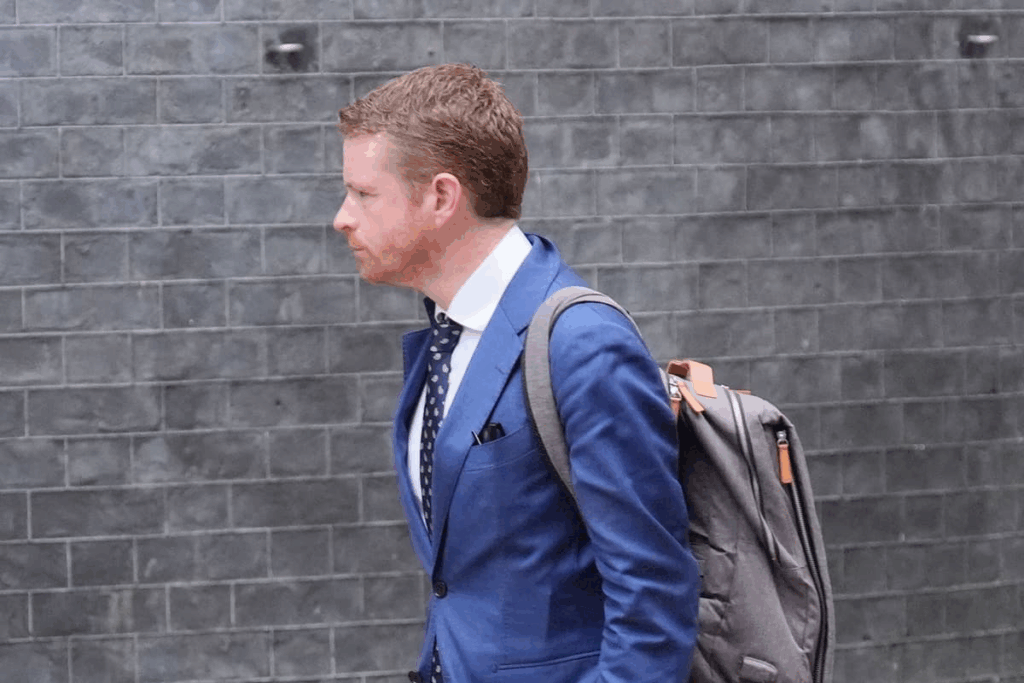
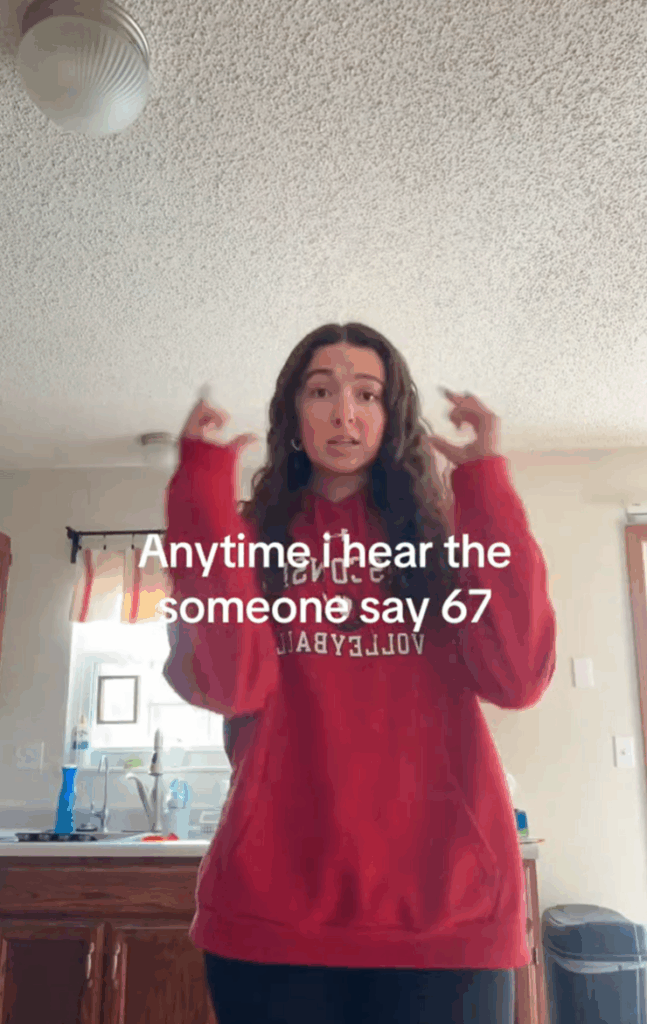
The viral 6-7 dance meme has taken the internet by storm, particularly captivating the hearts of Generation Alpha. Recently, Prime Minister Sir Keir Starmer found himself at the center of attention after attempting this trendy dance during a school visit, aiming to promote the expansion of the free school meals program. As he engaged with students at Welland Academy, he leaned into the 6-7 antics, which elicited giggles and outright joy from the kids. This catchy dance, linked to the hit song “Doot Doot (67)” by US rapper Skrilla, has become a staple in classrooms and social media feeds. Despite its playful nature, Starmer’s attempt even drew a gentle reprimand from a teacher, highlighting the ongoing clash between viral dance trends and school regulations.
The 6-7 dance phenomenon represents a broader trend of viral dance challenges that have swept through social media, particularly among younger audiences. In a recent school event, UK Prime Minister Sir Keir Starmer showcased his attempts at this quirky dance routine while discussing educational initiatives, notably the expansion of meals available for students. His interaction with the children sparked laughter and debate, exemplifying how modern memes influence youth culture and classroom experiences. Originating from the catchy song “Doot Doot (67),” these dance moves have not only entertained but also posed questions about the adaptability of educational environments to popular trends. As educators navigate the fine line between embracing creativity and maintaining decorum, the popularity of such memes only continues to grow.
Understanding the Viral 6-7 Dance Meme
The viral 6-7 dance meme has taken social media by storm, captivating Generation Alpha and pushing the limits of what we consider entertaining. Originating from the catchy phrase ‘6-7’, this trend is more than just a dance; it symbolizes a cultural shift among younger generations. With its roots tied to the song ‘Doot Doot (67)’ by US rapper Skrilla, the meme has become an iconic element in classrooms, school yards, and online platforms alike. As this trend builds a community among its participants, schools and parents find themselves balancing the line between encouragement and control when it comes to these viral dance phenomena.
As the prime minister humorously engaged with children at Welland Academy, it highlighted how deeply ingrained such memes are within youth culture today. The spontaneous act of referencing the 6-7 dance emoji during a serious school visit reflected not just a moment of levity, but also a recognition of how educational figures interact with today’s digital-savvy students. However, the humorous banter also raised questions regarding appropriateness and context in educational environments where fun and focus must coexist.
Generation Alpha and Their Memes
Generation Alpha, the cohort following Millennials and Generation Z, is particularly known for their digital literacy and engaging with memes like the 6-7 dance. These children have grown up with smartphones and social media, making them unique consumers and creators of content. Their ability to turn a simple hand gesture and phrase into a viral sensation shows just how influential this generation can be within the realms of social interaction and humor. The evolution of memes, especially ones like the 6-7 dance, can influence school culture and peer relationships, showcasing their role as modern-day social currency.
Moreover, the proliferation of Generation Alpha memes confirms the impact of peer interaction in shaping identities and ideas. Youngsters often mimic what they see online, generating an aura of relatability and connection across the digital landscape, which can greatly affect the dynamics in schools and beyond. However, while it fosters socialization, educators and parents need to navigate the delicate balance of humor and decorum in these environments. As these memes evolve, so too does the understanding of their significance in fostering community and collective experiences among youth.
The Role of Schools in Managing Trends
As the viral 6-7 dance meme continues to spread across schoolyards, educators face the challenge of managing such trends within their institutions. While humor and light-hearted engagement can be beneficial in fostering a positive learning environment, there are also concerns about distractions and appropriateness. Sir Keir Starmer’s visit to Welland Academy illustrates this dynamic, as his playful interaction sparked joy among students but was quickly met with a reminder about school policies on dancing. Schools must navigate these modern expressions while maintaining an educational focus, creating a framework that allows for fun yet respects institutional rules.
Education professionals are tasked with harnessing the energy that memes like the 6-7 dance provides, utilizing them as tools for engagement rather than distractions. Encouraging safe expressions of creativity within defined limits can allow institutions to embrace contemporary culture while ensuring students remain focused on their academic goals. Establishing discussions around these trends can also foster respect for individual tastes and promote a harmonious balance between freedom of expression and structured learning.
Doot Doot (67): The Viral Soundtrack of a Generation
The catchy tune ‘Doot Doot (67)’ has become the unofficial anthem for the 6-7 dance meme, showcasing the musical influence behind modern viral trends. The song, released by US rapper Skrilla, has provided a rhythmic backdrop that resonates with younger audiences, embedding itself into their cultural lexicon. The infectious nature of songs like ‘Doot Doot (67)’ demonstrates the power of music in shaping social experiences, especially when accompanied by visual memes that enhance its appeal. This cultural intertwining of music and dance adds depth to the interactions kids have with such content.
In classrooms and online platforms alike, ‘Doot Doot (67)’ has been recognized not only for its catchy beat but also for how it reflects the contemporary youth experience. The popularity of this track illustrates the rapid cycle of meme-based entertainment, where a simple viral video can captivate millions and alter social dynamics among young individuals. As seen from Maverick Trevillian’s viral basketball video, music remains an integral part of the storytelling process, influencing how these trends are communicated and shared.
The Future of Viral Dance Trends in Education
Considering the rapid growth of viral dance trends like the 6-7 meme, the future of Expression in education is evolving. Educators might look towards integrating these cultural phenomena as a means of engaging students. By understanding and respecting the interests of Generation Alpha, schools can develop programs that incorporate creative expression, allowing students to share and learn through the very memes they cherish. This could foster a more inclusive educational environment while bridging the gap between digital and traditional learning.
Despite their playful nature, viral dance trends must also be approached with caution in educational settings. It’s crucial for educators to teach students about the importance of appropriateness and context. Awareness around respectful conduct in light of dance trends can equip students with the skill to navigate their online and offline interactions responsibly. As we steer into a future where memes and trends will continue to evolve, education systems need to stay agile to create engaging yet respectful learning climates.
Engaging Parents in Meme Conversations
As viral dance memes permeate the fabric of children’s social lives, it becomes crucial for parents to engage in conversations about these trends, especially regarding phenomena like the 6-7 meme. Understanding the content that resonates with their children enables parents to foster meaningful dialogue and address any concerns about appropriateness or distraction in school. Such engagement can also support children in developing critical thinking skills as they navigate their education alongside their interests in popular culture.
Additionally, parents can play a pivotal role in contextualizing this content within the family dynamic by discussing the principles of fun and responsibility. Encouraging open conversations can help clarify misconceptions and foster a spirit of understanding surrounding issues such as the school’s policies on viral dances. By taking the time to engage with their children about the 6-7 meme and other trends, parents can promote a shared understanding that balances cultural interests with academic responsibilities.
Sir Keir Starmer and His Role in Cultural Engagement
Sir Keir Starmer’s engagement with the primary school children during his visit to Welland Academy highlights the role of political figures in shaping public discourse, especially in areas that intersect with viral trends like the 6-7 dance meme. By participating in a lighthearted moment, he not only broke the ice with students but also mirrored the cultural mechanics at play in contemporary society. Engagements such as these by public figures serve as a reflection of the times, where humor and relatability are key in fostering connections, especially with younger audiences.
This moment also underscores the importance of addressing educational topics, such as the expansion of the free school meals program, through culturally relevant channels. By tapping into the trends that resonate with younger generations, policymakers can effectively communicate their messages, ensuring they are heard in an environment where children are more inclined to listen when entertainment is layered with education. Starmer’s humorous encounter epitomizes how blending fun with serious discussions can make political figures appear more accessible to the youth.
Balancing Fun and Discipline in Schools
With the rise of viral dance memes like the 6-7, fostering a balance between fun and discipline is essential in educational institutions. While it is crucial for students to express themselves through trending memes, maintaining a structured environment where learning remains a priority is equally important. The incident involving Sir Keir Starmer and the subsequent reminder about school policies illustrates how educational settings must manage the integration of such trends without compromising academic integrity.
Balancing fun and discipline fosters respect for rules while allowing students to enjoy their cultural experiences. Schools that encourage students to appreciate their interests while learning how to engage with content responsibly are poised to cultivate a more enriching learning environment. Educators are therefore tasked not only with governance but also with embracing moments of joy to keep the samof learning vibrant and engaging.
Navigating TikTok’s Influence on Youth Culture
As TikTok continues to be a driving force behind viral trends, understanding its influence on youth culture is imperative. The rapid spread of memes like the 6-7 dance demonstrates how platforms can shape social interactions among children, impacting everything from their language to how they engage with one another. This has implications for educational institutions, as teachers and parents must adapt to these new forms of communication while ensuring that kids remain focused on their educational journeys.
Additionally, the viral nature of content on TikTok provides an opportunity for educators to leverage these trends as teaching tools. By discussing the phenomena associated with TikTok—like understanding fleeting fame and the impact of sharing on personal identity—schools can equip students with the necessary skills to navigate an increasingly digital world. As memes continue to evolve, the need for critical discourse regarding their impact on society remains paramount.
Frequently Asked Questions
What is the origin of the 6-7 dance meme?
The 6-7 dance meme originates from a viral song called “Doot Doot (67)” by US rapper Skrilla. Its catchy nature became a phenomenon on platforms like TikTok, especially among Generation Alpha, who popularized the accompanying hand gesture and dance.
How has the 6-7 dance meme influenced school environments?
The 6-7 dance meme has significantly impacted school dynamics, particularly in the UK, where it has become a staple in classrooms. Teachers report mixed reactions, as some embrace the humor while others, like at Welland Academy, have even banned it due to disruptions it causes.
Why did Sir Keir Starmer apologize to the head teacher regarding the 6-7 dance meme?
Sir Keir Starmer apologized after he led primary school children in a rendition of the 6-7 dance meme during a school visit. The head teacher informed him that the dance was banned, prompting Starmer to clarify, “I didn’t start it, Miss,” showing his light-hearted approach towards the viral dance trend.
What does the phrase ‘6-7’ signify in the context of the meme?
The phrase ‘6-7’, popularized by the dance meme, is thought to represent an ambiguous or playful concept, possibly meaning ‘so-so’ or ‘maybe this, maybe that.’ It gained traction particularly among Generation Alpha and has evolved into a viral trend.
How can the 6-7 dance meme be used in social media marketing?
The 6-7 dance meme can be a powerful tool in social media marketing, especially targeting younger audiences like Generation Alpha. Brands can use this viral dance trend to create relatable content, engage with followers, and tap into current meme culture for wider visibility.
What impact does the 6-7 dance meme have on children and their interactions?
The 6-7 dance meme fosters a sense of community and engagement among children, often leading to laughter and camaraderie in classroom settings. However, it also raises concerns among educators and parents about distractions and appropriateness in schools.
What are other viral dance trends similar to the 6-7 dance meme?
Other viral dance trends similar to the 6-7 dance meme include the Renegade, the Floss, and the Carlton Dance. These trends also gained popularity through platforms like TikTok and are characterized by catchy music and easy-to-follow steps, resonating well with younger audiences.
How does the 6-7 dance meme reflect Generation Alpha’s culture?
The 6-7 dance meme exemplifies Generation Alpha’s culture of digital expression and playful creativity. Their affinity for viral trends allows them to create connections through shared experiences, often blending humor and social commentary in their interactions.
| Key Point | Details |
|---|---|
| Prime Minister’s Apology | Sir Keir Starmer apologized to head teacher Jo Anderson after engaging with the 6-7 dance meme during a visit. |
| Context of Visit | Starmer visited Welland Academy to promote free school meals and led a classroom in the dance after reading with pupils. |
| Classroom Reaction | His gesture led to laughter among the students, but a teacher reminded him that the dance is banned at the school. |
| Viral Sensation | The phrase “6-7” has become a viral internet sensation, named Dictionary.com’s Word of the Year for 2025. |
| Origin of the Phrase | The term originated from the song “Doot Doot (67)” by US rapper Skrilla, associated with basketball culture. |
| Cultural Impact | It has captivated classrooms across the UK, leading to mixed feelings among parents and educators. |
| Viral Videos | Teenager Maverick Trevillian went viral for shouting ‘6-7’ during a basketball game, garnering millions of views. |
Summary
The 6-7 dance meme has become a notable point of interest, especially highlighted by Sir Keir Starmer’s recent engagement with it during a school visit. The dance and its corresponding phrase stem from a viral song and have made their way into classrooms and social media, captivating students while also generating some controversies among educators and parents. Acknowledging both its popularity and divisive nature, the meme continues to shine a light on the intersection of education and contemporary culture.