
Listen to this article
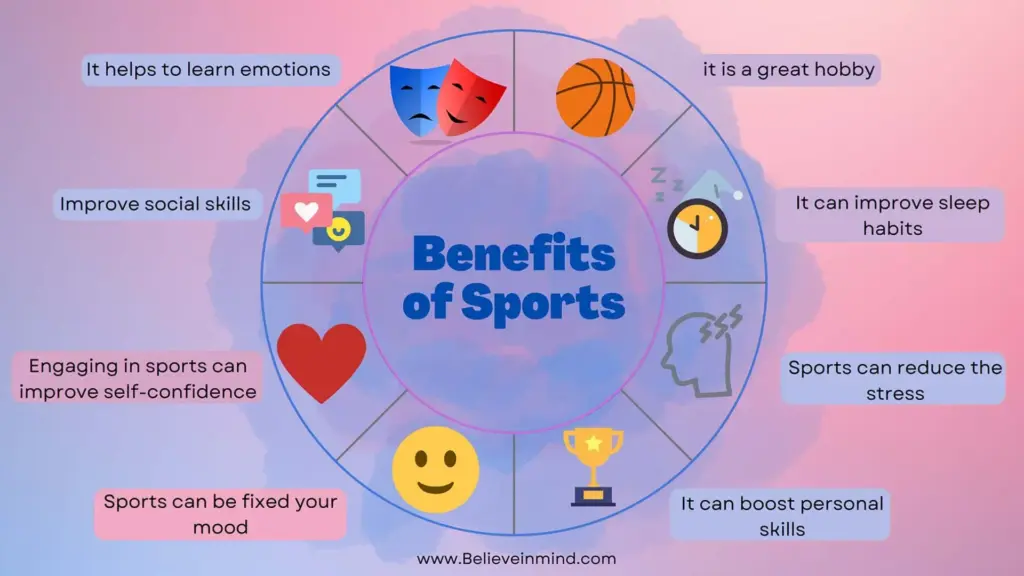
Engaging in sports offers numerous benefits for a healthy lifestyle, playing a pivotal role in achieving both physical and mental wellness. Regular sports participation not only enhances physical fitness but also significantly improves mental health, making it a vital component of overall health and well-being. The positive effects of sports extend beyond mere physical activity benefits, as they help reduce anxiety and depression while promoting social connections. Moreover, the importance of sports cannot be overstated; they cultivate discipline, foster lifelong skills, and boost self-esteem. In this article, we will delve into ten compelling reasons why integrating sports into your daily routine is essential for embracing a healthy lifestyle.
Sports and physical activities are fundamental elements in building a thriving life, encompassing fitness, social interaction, and mental resilience. The role of athletic engagement in nurturing well-being is multifaceted, impacting individuals on both physical and psychological levels. From weight management to enhanced cognitive function, the positive implications of joining a sports community can transform one’s living experience. Not only do these activities provide an enjoyable outlet from daily routines, but they also cultivate essential life skills such as teamwork, leadership, and self-discipline. By understanding the various advantages associated with being active, people can make informed choices to lead healthier, more fulfilling lives.
The Physical Health Benefits of Sports
Participating in sports provides numerous physical health benefits that are essential for maintaining overall fitness. Regular engagement in various sports activities helps in building muscle strength and improving cardiovascular health. As individuals participate in high-energy sports, they can boost their endurance levels, which is vital for long-term health. This form of physical activity is particularly effective in reducing the risk of chronic diseases, such as obesity, diabetes, and heart disease, that have become increasingly prevalent in modern society.
Moreover, sports offer an enjoyable way to incorporate physical activity into daily routines. Beyond the straightforward benefits of exercise, the active participation in sports leads to weight management, ensuring that calories are burned and body composition is maintained at optimal levels. Athletes who focus on sports often find themselves reaping rewards not just physically but also in terms of function, as they learn to move better, feel better, and ultimately live healthier lives.
Frequently Asked Questions
What are the key physical health benefits of sports for a healthy lifestyle?
Engaging in sports offers numerous physical health benefits, including improved muscle strength, enhanced cardiovascular health, and greater flexibility. Regular participation significantly reduces the risk of chronic diseases like obesity, diabetes, and heart disease, making sports essential for maintaining a healthy lifestyle.
How does sports participation assist with weight management?
Sports participation plays a vital role in weight management by allowing individuals to burn calories while enjoying physical activity. This not only helps in maintaining a healthy weight but can also aid in weight loss in a fun and engaging way.
What are the mental health benefits of engaging in sports?
Engaging in sports offers profound mental health benefits, such as reducing symptoms of anxiety and depression. The release of endorphins during physical activity helps enhance mood and provides effective stress relief, contributing to an overall healthier lifestyle.
How does participation in sports promote social interaction?
Participating in sports promotes social interaction by fostering friendships and teamwork. Team sports, in particular, encourage communication and collaboration, helping individuals build essential social skills and a sense of community.
What role does sports play in developing discipline and time management skills?
Sports require discipline and dedication, which are crucial for personal development. Athletes learn to set goals and manage their time effectively, skills that are transferable to other aspects of life, including academics and career.
How do sports help in developing lifelong skills?
Sports provide invaluable opportunities for developing lifelong skills, such as teamwork, leadership, and communication. These skills are essential for success in both personal and professional settings, enhancing various aspects of life.
In what ways can sports boost self-esteem and confidence?
Regular participation in sports can significantly boost self-esteem and confidence by fostering a sense of accomplishment. Achieving personal goals, whether improving skills or winning competitions, enhances an individual’s self-worth.
How does engaging in sports encourage healthier lifestyle choices?
Participating in sports encourages individuals to adopt healthier lifestyle habits, such as better nutrition and hydration. Athletes often become more conscious of their overall health, leading to a more balanced and healthy lifestyle.
What are the cognitive benefits of participating in sports?
Engaging in sports enhances cognitive function and memory by promoting strategic thinking, quick decision-making, and heightened focus. Regular physical activity is linked to improved cognitive abilities, making learning and information retention easier.
Why is enjoying sports important for a healthy lifestyle?
The enjoyment derived from participating in sports is crucial for maintaining a healthy lifestyle. Fun activities promote sustained engagement and motivation to stay active, making it easier to integrate physical activity into daily routines.
| Key Points | Details |
|---|---|
| 1. Physical Health Benefits | Sports improve muscle strength, cardiovascular health, and flexibility while reducing chronic disease risk. |
| 2. Weight Management | Engaging in sports helps burn calories and manage weight effectively. |
| 3. Mental Health Improvement | Sports reduce anxiety and depression, providing stress relief through endorphins. |
| 4. Social Interaction | Sports foster friendships and teach essential social skills through teamwork. |
| 5. Discipline and Time Management | Athletes learn discipline and goal-setting, which aids personal development. |
| 6. Development of Lifelong Skills | Sports teach teamwork, leadership, and communication skills valuable in life. |
| 7. Boosted Self-Esteem | Participation in sports enhances self-esteem through achievement and goal-setting. |
| 8. Encouraging Healthy Habits | Athletes often improve their nutrition and hydration habits along with physical activity. |
| 9. Enhanced Cognitive Function | Regular activity improves cognitive abilities and memory through strategic thinking. |
| 10. Fun and Enjoyment | Participating in sports is enjoyable and helps maintain a lifelong active lifestyle. |
Summary
The benefits of sports for a healthy lifestyle are numerous and impactful. Engaging in sports not only enhances physical health through improved strength and flexibility but also significantly boosts mental well-being, reducing symptoms of anxiety and fostering social connections. Furthermore, sports instill discipline and valuable life skills, while also encouraging the adoption of healthier habits. Ultimately, the enjoyment derived from sports makes them a compelling choice for anyone looking to enhance their quality of life. By incorporating sports into your regular routine, you embark on a journey towards better health and happiness.

